Keto Smoothies: The Ultimate Low-Carb Blending Hub
Making authentic keto smoothies requires a complete shift in how you construct a blended drink. Standard smoothies rely on high-sugar fruits like bananas and mangoes for texture and sweetness. On a ketogenic lifestyle, these ingredients instantly push your net carb intake past daily threshold limits. Mastering keto smoothies means building a rich, thick texture using low-carb liquids, dense healthy fats, and whole-food proteins instead.
A successful ketogenic blend focuses on fat quality, net carb density, and smooth emulsification. When balanced correctly, keto smoothies deliver stable energy, support satiety, and fit seamlessly into a low-carbohydrate routine. This comprehensive guide covers low-carb bases, optimal fat choices, whole-food protein sources, hidden carb traps, and precise blending mechanics.
Quick Summary
- Keto smoothies swap sugar-dense fruit bases for low-carb liquids, avocado, coconut fats, and nut butter.
- Net carbs must stay under 5 grams per serving by excluding banana, fruit juice, and sweetened milks.
- Proper emulsification with healthy fats and ice prevents separation and creates a velvety mouthfeel.
Understanding Net Carbs in Blended Keto Smoothies
Net carbs determine whether a drink fits within ketogenic dietary parameters. You calculate net carbs by subtracting total dietary fiber and natural sugar alcohols from total carbohydrates. Fiber does not elevate blood glucose levels or disrupt ketone production, making it a valuable structural component in low-carb blending.
Blending whole foods alters mechanical texture but does not destroy dietary fiber content. According to nutritional data from USDA FoodData Central, fibrous greens and seeds retain their fiber profile after processing. This allows ingredients like chia seeds, flaxseeds, and spinach to provide essential body without adding net carbohydrates.
Maintaining strict net carb tracking prevents hidden sugar accumulation. Many popular smoothie add-ins carry surprising carb counts that displace healthier fat sources. Understanding individual ingredient profiles is the first step toward effective recipe creation.
The Four Pillars of Low-Carb Smoothie Formulation
Every balanced keto smoothie relies on four core building blocks. These components supply liquid volume, creaminess, structural thickness, and sustained energy. Balancing these pillars guarantees consistent flavor and superior nutrient distribution in every glass.
Choosing the Right Low-Carb Liquid Base
Commercial fruit juices and cow milk contain natural sugars like fructose and lactose that spike net carb values. Ideal keto bases include unsweetened almond milk, coconut milk, hemp milk, and filtered water. Unsweetened nut milks usually provide less than 1 gram of net carbs per cup.
Full-fat canned coconut milk provides an exceptional liquid base for dense blends. Diluting canned coconut milk with cold water adjusts viscosity while maintaining a rich flavor profile. Cold brewed tea and iced coffee also offer zero-carb liquid options for specialized recipes.
Selecting High-Quality Healthy Fat Sources
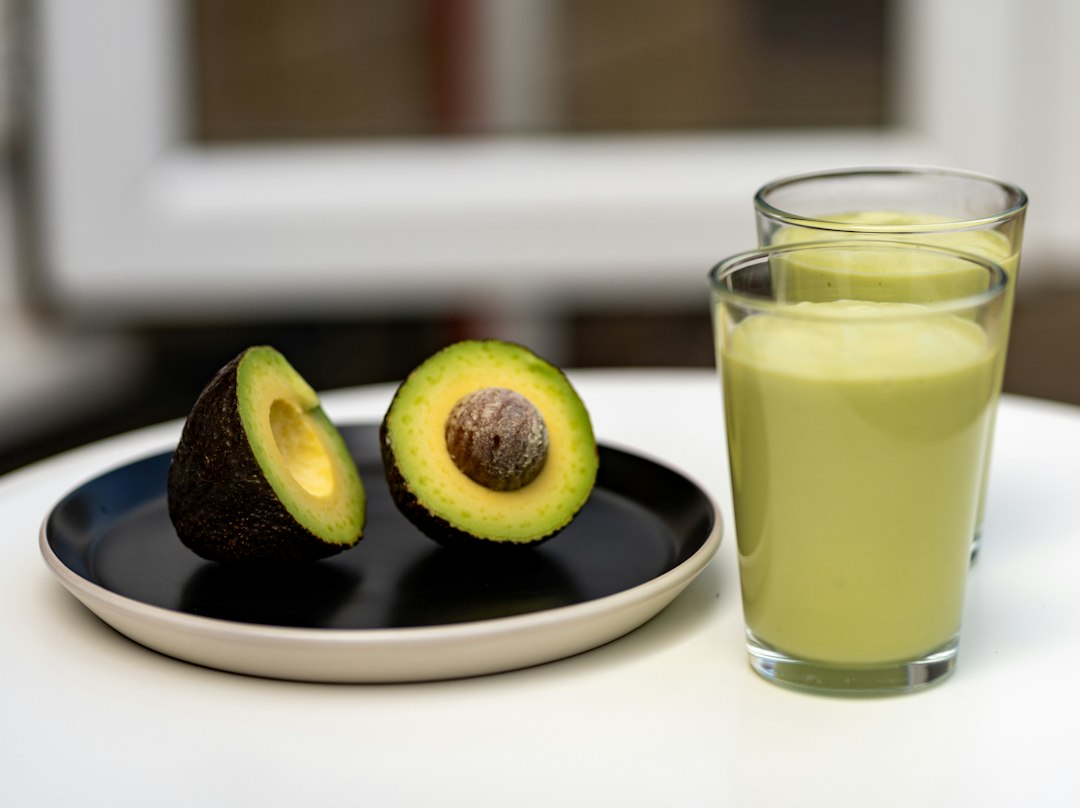
Fats represent the primary energy driver in keto smoothies. Fresh avocado, heavy whipping cream, coconut oil, and medium-chain triglyceride (MCT) oil supply smooth viscosity and sustained energy. Avocado delivers high monounsaturated fat alongside potassium and dietary fiber.
Nut butters like raw macadamia, almond, and pecan butter add deep roasted notes and stable emulsions. Coconut butter supplies natural sweetness and thickness without added sugars. Combining liquid fats with solid fats yields the ideal cold texture.
Adding Whole-Food Protein Without Powder
While protein powders are common, whole-food protein sources provide natural creaminess and intact micronutrients. Full-fat Greek yogurt and plain cottage cheese offer dense protein alongside beneficial probiotics. A half-cup serving of cottage cheese yields roughly 12 grams of protein with minimal net carbs.
Raw hemp seeds and pasteurized egg whites deliver clean protein without alters delicate flavor profiles. Hemp seeds contribute healthy omega-3 fatty acids and a subtle nutty taste. Liquid egg whites blend seamlessly, producing a frothy texture reminiscent of classic milkshakes.
Fiber and Texture Enhancers
Dietary fiber creates the physical body expected in a thick beverage. Ground flaxseed, chia seeds, and acacia fiber absorb liquid and expand during blending. This expansion mimics the thickening power of frozen bananas without the glycemic impact.
Psyllium husk powder offers powerful thickening properties when used sparingly. A half-teaspoon creates a rich gel that stabilizes cold emulsions. Xanthan gum serves as an effective zero-carb stabilizer for light, ice-based recipes.
Key Takeaways
- Liquid bases must remain strictly unsweetened to protect daily ketone production.
- Healthy fats supply required daily calories and establish a smooth, creamy mouthfeel.
- Whole-food protein options deliver rich texture without reliance on artificial powders.
- Chia seeds, flax, and avocado replace bananas for natural thickness and fiber.
| Ingredient Category | Best Keto Options | Net Carbs per Serving | Primary Role |
|---|---|---|---|
| Liquid Base | Unsweetened Almond Milk | < 1g per cup | Fluid volume and blending motion |
| Fat Source | Fresh Avocado / MCT Oil | 1g – 2g per 1/2 avocado | Satiety, thickness, energy |
| Protein Source | Full-Fat Cottage Cheese / Hemp Seeds | 2g – 3g per 1/2 cup | Muscle support, body, frothiness |
| Thickener | Ground Chia / Flaxseed | < 1g per tbsp | Fiber, stability, viscous texture |
Hidden Carb Traps in Popular Smoothie Ingredients
Navigating keto blending requires identifying ingredients that appear healthy but contain high amounts of natural sugar. Sweetened plant milks, flavored yogurt, and commercial fruit purees regularly ruin low-carb macros. Always read label nutrition panels carefully before adding processed ingredients.
Fruit selection demands strict control. High-glycemic fruits like mango, pineapple, grapes, and bananas digest rapidly and spike blood glucose. Research published in National Institutes of Health (NIH) research highlights how fast-acting carbohydrates suppress fatty acid oxidation and ketone synthesis.
Nut butters also present hidden risks. Many commercial peanut and cashew butter brands contain added cane sugar, molasses, or hydrogenated oils. Cashews naturally carry higher carbohydrate counts than almonds, macadamias, or pecans. Stick to single-ingredient, raw nut butters with no added sugar.
Fruit Choices and Glycemic Impact
Berries remain the safest fruit choice for low-carb blending due to their high fiber content. Raspberries, blackberries, and strawberries offer bright flavor with minimal net carbs. A quarter-cup of fresh or frozen raspberries adds vibrant color and taste for roughly 1.5 grams of net carbs.
Lemon juice, lime juice, and green green tomatoes add tartness and complexity without carb penalties. Tart ingredients balance rich fat profiles, elevating overall drink enjoyment. Use tart citrus sparingly to brighten heavy cream or avocado bases.
Nut Butter Pitfalls and Sweetener Selection
Peanut butter should be evaluated carefully due to its legume classification and higher net carb density. Macadamia nut butter offers the best fat-to-carb ratio, making it the premier choice for keto enthusiasts. Almond butter provides a balanced mid-tier option rich in vitamin E.
Sweeteners should rely strictly on natural, non-caloric plant extracts. Stevia, monk fruit, and erythritol provide clean sweetness without triggering insulin spikes. Liquid drop sweeteners dissolve instantly in cold blends without leaving grainy erythritol crystal residues.
Emulsification Techniques for Creamy Fat Distribution
Adding cold liquids directly to room-temperature oils creates greasy, separated layers. Emulsification is the physical process of breaking fat droplets into tiny particles suspended evenly throughout liquid. Mastering proper temperature control and ingredient sequence ensures smooth, silky beverages.
Warm or room-temperature fats like coconut oil or nut butter should be added to room-temperature liquids first. Run the blender on medium speed for ten seconds to establish a smooth base emulsion. Add ice cubes and frozen ingredients last to chill the mixture without solidifying fats prematurely.
Preventing Separation in Cold Blends
Natural emulsifiers help lock fats and water together permanently. Egg yolks, lecithin, and cottage cheese contain natural phospholipid compounds that bind water and fat molecules. Incorporating a small tablespoon of cottage cheese stabilizes coconut oil blends completely.
Avocado acts as a mechanical stabilizer due to its soluble fiber matrix. Blending avocado thoroughly before adding ice creates a structural network that holds liquids in suspension. This prevents liquid separation even if the smoothie sits in a glass for twenty minutes.
Temperature and Ice Ratios
Ice volume directly impacts drink thickness and fat suspension stability. Excessive ice dilutes rich flavors and causes cold fats to clump into tiny wax-like beads. Using a 1:2 ratio of ice to liquid yields cold temperatures without destroying texture.
Frozen cauliflower rice serves as a brilliant ice replacement in keto smoothies. It blends completely flat, adds valuable vegetable nutrients, and creates an remarkably creamy texture. It imparts zero sulfur flavor when paired with cacao, coffee, or vanilla bases.
Electrolyte and Micronutrient Optimization
Ketogenic eating causes the kidneys to excrete sodium and water at higher rates. Smoothies provide an ideal vehicle for replenishing essential electrolytes like potassium, magnesium, and sodium. Incorporating mineral-rich ingredients helps maintain daily energy levels and prevents muscle cramping.
Unrefined sea salt or Himalayan pink salt enhances natural flavor profiles while delivering trace minerals. Adding a quarter-teaspoon of sea salt to chocolate or peanut butter blends offsets bitterness and deepens sweetness. Dark leafy greens like spinach and Swiss chard contribute abundant natural potassium.
Managing Sodium and Potassium Balance
Potassium balance supports cardiovascular function and nerve transmission during low-carb adaptation. Avocado, cocoa powder, and leafy greens supply natural potassium without requiring commercial supplement powders. Pairing greens with healthy fats enhances fat-soluble vitamin absorption.
Magnesium deficiency often leads to sleep disturbances and muscle tension. Raw cacao powder and hemp seeds supply high amounts of bioavailable magnesium. Incorporating two tablespoons of raw cacao turns a simple almond milk base into a mineral-dense chocolate treat.
Micronutrient Density with Low-Carb Greens
Baby spinach is the easiest green vegetable to blend due to its mild flavor and soft leaf structure. Curly kale, collard greens, and beet greens carry stronger flavors that require careful pairing with citrus or mint. Frozen greens blend smoother than fresh greens because freezing breaks down plant cell walls.
Fresh herbs like mint, basil, and cilantro elevate flavor profiles while contributing concentrated antioxidants. A handful of fresh mint paired with lime juice and full-fat coconut milk creates a refreshing Mojito-inspired keto blend. Herbs add vibrant complexity without adding measurable carbohydrates.
What We Like
- High satiety levels keep hunger suppressed for four to six hours.
- Stable energy without blood sugar spikes or afternoon fatigue crashes.
- Endless flavor combinations using natural nuts, seeds, and healthy oils.
Keep in Mind
- Requires accurate ingredient measurement to prevent unexpected carb surplus.
- Higher calorie density means serving sizes should match daily goals.
7 Master Keto Smoothie Formulas
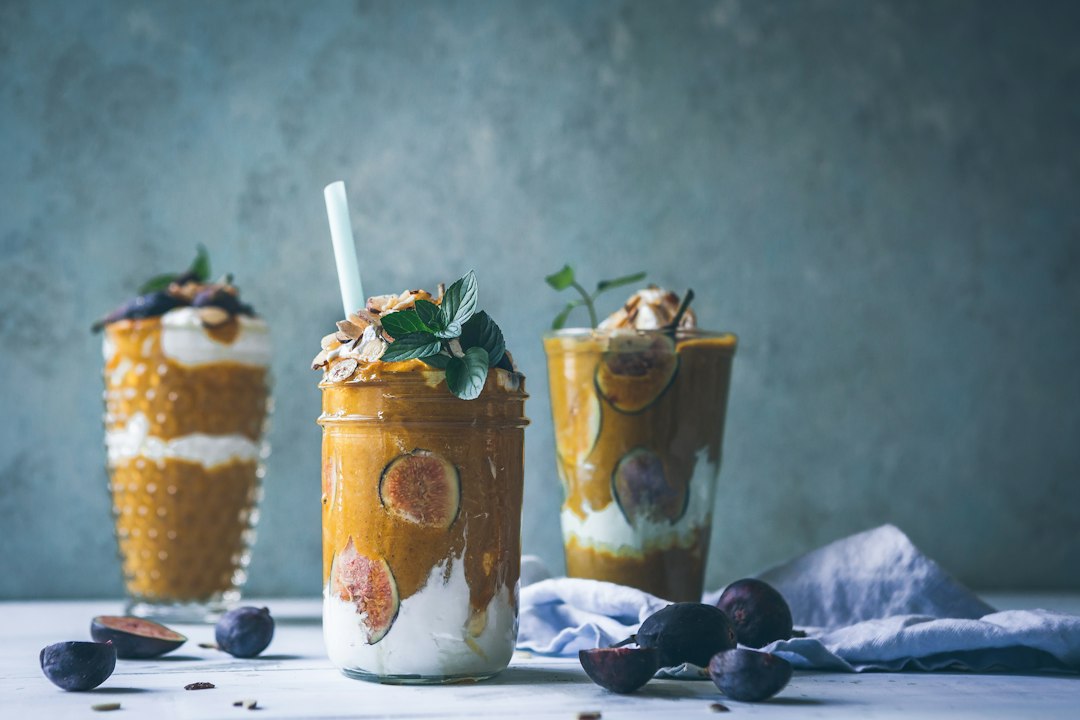
These seven master recipes demonstrate how to combine low-carb bases, fats, whole-food proteins, and fiber. Each formula yields a balanced, single-serving drink containing under 5 grams of net carbs. Adjust liquid volume to suit your personal viscosity preference.
1. Creamy Avocado Coconut Velvet
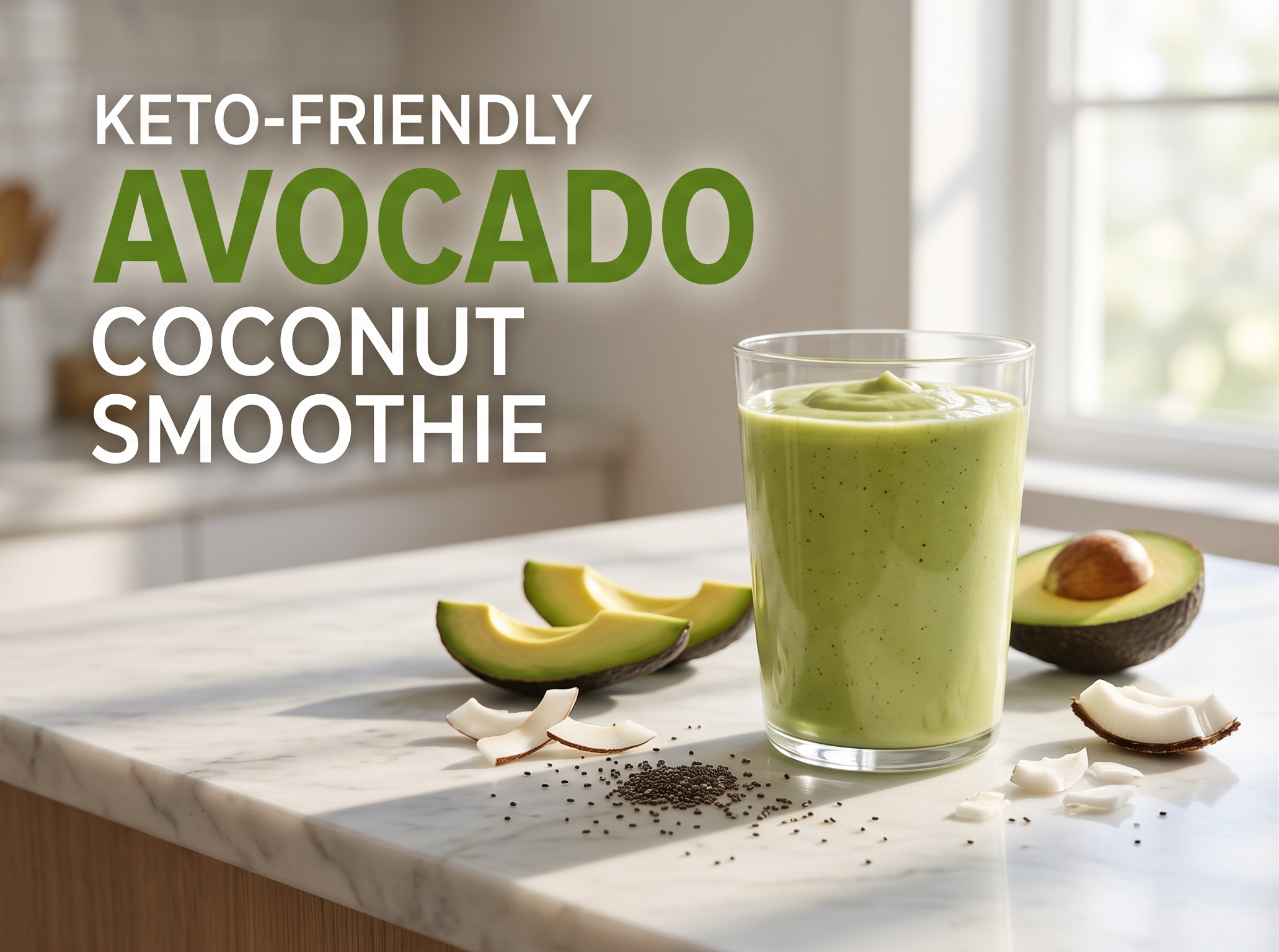
Combine 1 cup unsweetened almond milk, 1/2 cup canned full-fat coconut milk, 1/2 ripe avocado, 1 tablespoon chia seeds, and 5 drops of liquid monk fruit sweetener. Blend on high for 45 seconds until smooth. This recipe offers dense monounsaturated fats and exceptional spoon-thick body.
2. Deep Cocoa Butter Macadamia Crunch
Combine 1 cup unsweetened coconut milk, 2 tablespoons macadamia nut butter, 1.5 tablespoons raw cacao powder, 2 tablespoons full-fat cottage cheese, and 1/4 teaspoon sea salt. Blend thoroughly, then stir in 1 tablespoon of cacao nibs for texture. This blend mimics a rich dark chocolate mousse.
3. Frozen Strawberry Vanilla Cream
Combine 1 cup unsweetened almond milk, 1/4 cup heavy whipping cream, 1/4 cup frozen strawberries, 1/2 cup frozen cauliflower rice, and 1/2 teaspoon pure vanilla extract. Blend until silky and frost-like. Cauliflower rice provides incredible thickness while keeping net carbs exceptionally low.
4. Matcha Mint Hemp Seed Refresher
Combine 1 cup iced green tea, 1/2 cup canned coconut milk, 3 tablespoons raw hemp seeds, 1 teaspoon ceremonial matcha powder, and 6 fresh mint leaves. Blend on high for 60 seconds to break down hemp seeds completely. This drink delivers steady alertness and vibrant green color.
5. Peanut Butter Cottage Cheese Power
Combine 1 cup unsweetened almond milk, 1/3 cup full-fat cottage cheese, 2 tablespoons unsweetened natural peanut butter, 1 tablespoon ground flaxseed, and 1/4 teaspoon cinnamon. Blend on high until completely smooth. Cottage cheese provides a rich, cheesecake-like flavor profile.
6. Wild Blueberry Almond Mousse
Combine 1 cup unsweetened hemp milk, 2 tablespoons raw almond butter, 3 tablespoons frozen wild blueberries, 1/2 avocado, and 1/4 teaspoon lemon juice. Blend until thick and uniform. Wild blueberries carry higher antioxidant density and fewer net carbs than cultivated varieties.
7. Golden Turmeric Ginger Fat Bomb
Combine 1 cup unsweetened coconut milk, 1 tablespoon melted coconut oil, 1/2 teaspoon ground turmeric, 1/4 teaspoon ground ginger, a pinch of black pepper, and 1 tablespoon chia seeds. Blend thoroughly until frothy. Black pepper enhances curcumin absorption while ginger adds warm bite.
Bottom Line
- Keto smoothies thrive on healthy fats, unsweetened liquid bases, and whole-food protein choices.
- Always track net carbs carefully by subtracting dietary fiber from total carbohydrates.
- Mastering temperature control and emulsification guarantees smooth, non-greasy beverages every time.
Frequently Asked Questions About Keto Smoothies
Can I drink keto smoothies every day on a low-carb diet?
Yes, keto smoothies fit comfortably into a daily low-carb routine when properly formulated. Focus on whole-food fat sources, leafy greens, and adequate protein rather than relying solely on processed powders or heavy creams. Rotating your fat sources and greens ensures a wide variety of essential micronutrients.
How do I thicken a keto smoothie without using bananas?
Fresh or frozen avocado, frozen cauliflower rice, chia seeds, ground flaxseed, and heavy cream create thick textures without high carbs. Xanthan gum and psyllium husk powder also offer effective thickening when used in tiny amounts. Allowing seeds to bloom in liquid for five minutes before blending increases natural viscosity.
What is the best liquid base for a low-carb smoothie?
Unsweetened almond milk, unsweetened coconut milk, hemp milk, and cold brewed tea represent the best low-carb bases. Canned full-fat coconut milk adds exceptional creaminess when mixed with equal parts water. Always double-check nutrition labels to confirm zero added sugars or syrup additives.
Are protein powders mandatory for keto smoothies?
Protein powders are not required. Whole-food ingredients like cottage cheese, full-fat Greek yogurt, pasteurized liquid egg whites, and raw hemp seeds supply clean protein alongside natural creaminess. Using whole foods also minimizes processed additive intake.
How many net carbs should a keto smoothie contain?
A well-formulated keto smoothie should ideally contain between 2 and 5 grams of net carbs per serving. Keeping net carbs in this range allows room for solid low-carb meals throughout the remainder of the day without threatening ketone production state.
Why did my coconut oil form hard beads in my cold smoothie?
Coconut oil solidifies quickly when exposed to cold or frozen ingredients. To prevent clumping, blend room-temperature liquid and coconut oil first to create a uniform emulsion before adding ice or frozen berries. Alternatively, use liquid MCT oil which remains fluid at cold temperatures.
Are green leafy vegetables safe for keto blending?
Baby spinach, kale, Swiss chard, and fresh herbs carry minimal net carbs and fit ketogenic parameters perfectly. They supply potassium, magnesium, and dietary fiber that support healthy digestion. Freezing fresh greens before blending breaks cellular walls for smoother blending results.
How long do fresh keto smoothies last in the refrigerator?
Fresh keto smoothies are best consumed immediately after preparation for ideal texture and taste. However, recipes thickened with chia seeds or avocado store safely in airtight glass jars for up to 24 hours. Shake vigorously before drinking if natural settling occurs.