
Spinach vs Kale Smoothie: Flavor and Texture Comparison in Low-Carb Blends
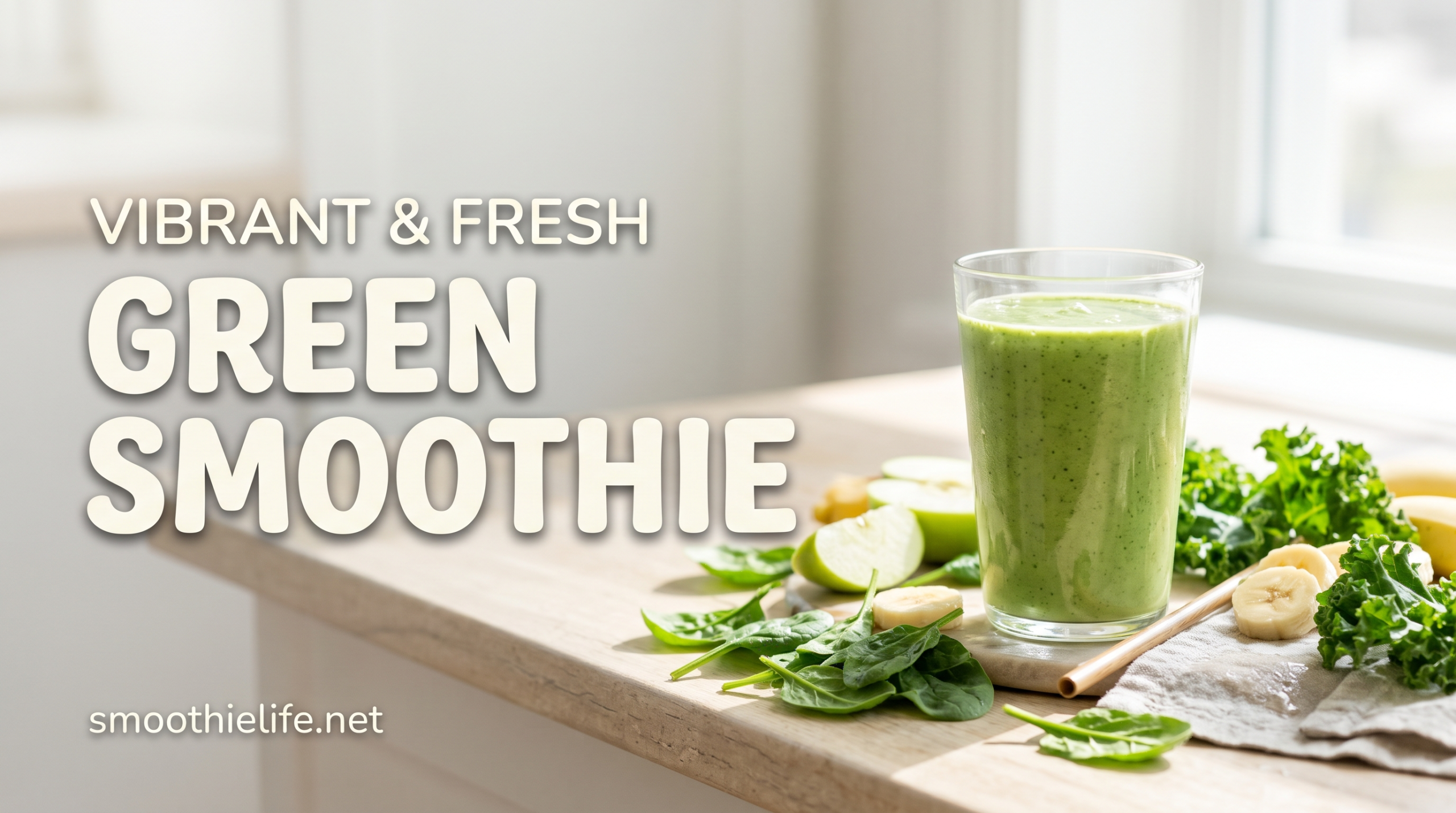
When choosing between a spinach vs kale smoothie on a low-carb or ketogenic diet, baby spinach delivers a mild, virtually neutral flavor and a silky texture without heavy blending. Lacinato or curly kale offers a darker earthy profile with subtle bitterness, requiring stem stripping and longer high-speed blending to eliminate fibrous specks. For strict ketogenic routines where net carbs matter, both greens fit comfortably within daily limits, providing key electrolytes like magnesium and potassium without spiking blood sugar.
Quick Summary
- Baby spinach dissolves effortlessly into low-carb liquids, creating a smooth blend with almost no grassy aftertaste.
- Fresh kale demands stem removal and 60 seconds of high-speed blending to prevent a grainy or chewy mouthfeel.
- Both greens maintain extremely low net carb counts, making your personal taste tolerance and blender power the primary deciding factors.
Scope Declaration: Low-Carb Green Blends Only
This comparison evaluates fresh baby spinach and whole raw kale specifically within low-carbohydrate and ketogenic smoothie bases. Traditional fruit-heavy green smoothies rely on bananas, pineapples, or mangoes to mask leafy green bitterness. In contrast, low-carb blends use unsweetened almond milk, coconut milk, heavy cream, or avocado, which changes how greens interact on your palate.
We will focus exclusively on raw, fresh leaves rather than frozen green powders or cooked greens. Our analysis covers taste balance, mouthfeel, preparation requirements, stem removal techniques, and blender processing times. High-sugar fruit additions and high-carb liquid bases fall entirely outside the scope of this evaluation.
Evaluation Criteria for Ketogenic Leafy Greens
Selecting the right green for a low-carb routine depends on four practical kitchen criteria. First, net carbohydrate content must remain minimal to protect daily metabolic goals. According to nutrient data maintained by USDA FoodData Central, both baby spinach and fresh kale deliver rich dietary fiber, keeping net impact very low per cup serving.
Second, flavor neutrality dictates how easily a green integrates into low-sugar bases without requiring artificial sweeteners. Third, structural toughness dictates the blender power and duration needed for a smooth sip. Finally, prep time—specifically stripping fibrous central stems—determines how easily each green fits into a quick morning routine.
Flavor and Texture Comparison in Low-Carb Liquids
Baby spinach is renowned for its ultra-tender leaves and delicate vein structure. When blended into unsweetened almond milk or coconut water with a scoop of keto protein powder, spinach breaks down almost instantly. The resulting texture is velvet-smooth, with a soft pastel green hue and a subtle, slightly sweet finish that easily disappears behind vanilla or berry flavorings.
Kale presents a distinctly different experience in the blender jar. Curly kale and Tuscan kale contain dense cellulose walls and sturdy leaf structures. Without sweet fruits to balance its natural flavor, raw kale imparts a peppery, deeply earthy, and slightly astringent taste. In low-fat or water-based liquids, under-blended kale leaves small flecks that settle quickly and create a noticeable pulp.
Key Takeaways
- Spinach blends fast and leaves zero grit, even when paired with lightweight liquids like almond milk.
- Kale requires thorough stem removal and a secondary blend cycle to match spinach consistency.
- Adding high-fat ingredients like avocado or MCT oil helps mask kale’s natural bitterness far better than water alone.
| Evaluation Metric | Baby Spinach | Fresh Raw Kale |
|---|---|---|
| Flavor Profile | Mild, sweet, virtually neutral | Earthy, peppery, mildly bitter |
| Blender Time Needed | 20–30 seconds (standard power) | 60–90 seconds (high-speed power) |
| Prep Requirements | Rinse and measure directly | Strip central woody stems |
| Mouthfeel Result | Silky, smooth, zero grit | Slightly fibrous unless pulverized |
| Net Carbs (approx. 30g) | ~0.4g net carbs | ~0.9g net carbs |
What We Like
- Spinach requires zero prep work and creates instant creamy green blends without effort.
- Kale provides a dense nutrient profile and maintains structural freshness longer in the refrigerator crisper.
Keep in Mind
- Raw kale stems introduce woody fibers if not stripped prior to blending.
- Spinach can spoil quickly if exposed to excess moisture in storage.
Stem Removal and Blender-Time Tips for Kale
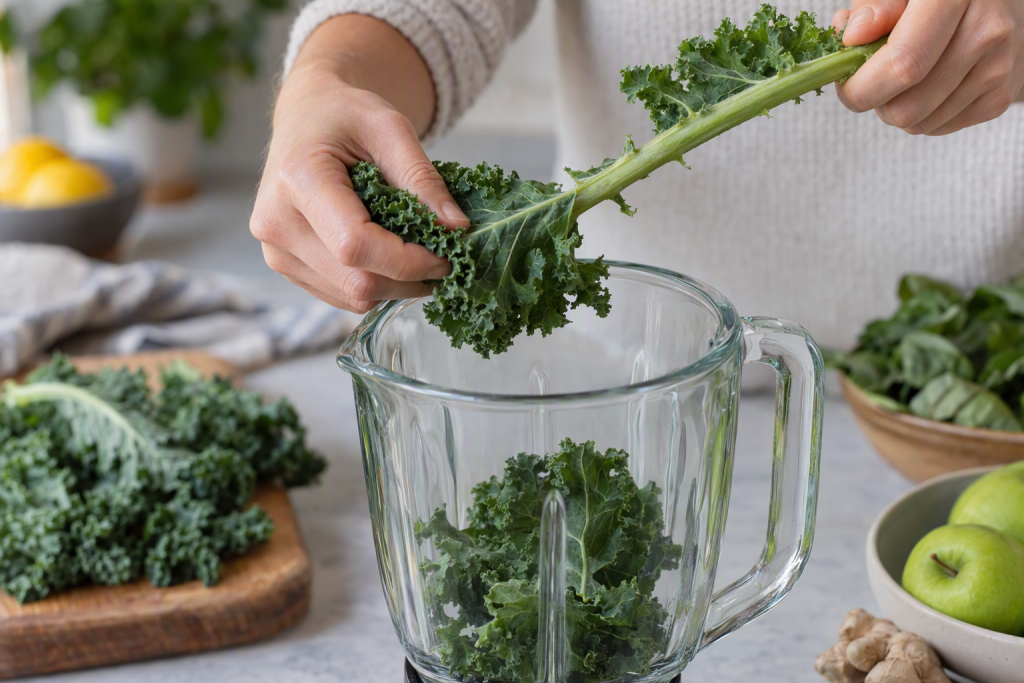
If you prefer kale’s robust nutrient density, mastering stem preparation is non-negotiable. The central stalk of a kale leaf consists of tough, stringy vascular tissue that most personal blenders cannot fully break down. Leaving stems intact leads to a stringy smoothie that separates quickly in the glass.
To strip kale efficiently, grasp the thick base of the stem with one hand and pinch your fingers around the leaf base with the other. Slide your pinched hand firmly upward along the stem to peel off the leafy fronds in one swift motion. Discard the woody stems or save them for vegetable stock.
Blender timing also differs dramatically between greens. Spinach breaks down in 20 to 30 seconds on medium speed. Kale requires a two-stage process: pulse the stripped leaves in your liquid base for 30 seconds, add your remaining low-carb ingredients, and run on high speed for an additional 45 to 60 seconds. If you are exploring broader low-carb blending strategies, take a look at our comprehensive guide to keto smoothies for complete formula ratios.
Suitability Filter: Which Leafy Green Fits Your Routine?
Choosing between spinach and kale comes down to your personal palate, hardware, and morning schedule. Neither green is universally superior; each solves a different set of kitchen priorities.
Choose Baby Spinach If:
- You use a low-wattage or personal single-serve blender that struggles with fibrous plants.
- You dislike earthy, grassy, or bitter flavors in your morning beverage.
- You need a zero-prep, grab-and-blend green for busy mornings before work or workouts.
- You prefer a silky, smooth texture similar to a milk-based milkshake.
Choose Fresh Kale If:
- You own a high-speed blender with a motor rated at 1,000 watts or higher.
- You enjoy a bolder, heartier vegetable flavor profile in your green drinks.
- You want greens that stay crisp in the refrigerator for up to a week without wilting.
- You regularly incorporate healthy fats like avocado or nut butter that naturally temper bitterness.
Risks and Limitations of Raw Green Smoothies
While both greens are nutritional powerhouses, consuming them raw in large daily quantities carries specific considerations. Spinach contains naturally occurring oxalates, which are organic compounds that can bind to minerals like calcium. As highlighted in research published by the Harvard T.H. Chan School of Public Health, individuals with a history of calcium-oxalate kidney stones may need to moderate raw spinach intake or rotate greens frequently.
Raw kale and other cruciferous vegetables contain goitrogens, compounds that can interfere with iodine uptake if consumed in massive raw amounts by individuals with underlying thyroid conditions. Rotating between spinach, kale, romaine, and herbs prevents overexposure to any single plant compound while keeping your daily routine interesting.
Final Decision Framing: Selecting Your Daily Driver
For most ketogenic smoothie enthusiasts, baby spinach serves as the ideal daily driver due to its effortless blending performance and mild taste. It allows low-carb flavorings like cocoa powder, vanilla bean, or peanut butter to shine without competition. You can blend two cupfuls of spinach into almond milk and barely detect its presence beyond the vibrant green color.
Kale excels as an occasional or secondary green for drinkers who have invested in powerful blender hardware and appreciate a deeper herbal profile. If you decide to make kale your primary green, pairing it with lemon juice, avocado, or a pinch of sea salt will significantly smooth out its natural bitter edge.
Bottom Line
- Choose spinach if you prioritize speed, neutral flavor, and quick morning cleanup without prep work.
- Choose kale if you prefer bold greens, own a high-speed blender, and remove stems diligently every time.
- Rotate both greens weekly to maintain dietary variety while staying strictly within your daily low-carb limits.
A Calm Approach to Daily Greens
Incorporating leafy greens into a ketogenic lifestyle does not need to be complicated or dogmatic. Experimenting with both spinach and kale helps you discover what your palate genuinely enjoys. The best leafy green is simply the one you look forward to drinking consistently every morning.
Frequently Asked Questions
Can I mix spinach and kale together in the same smoothie?
Yes, combining equal parts baby spinach and stripped kale is an excellent way to bridge the gap. You gain the rich texture of spinach while softening kale’s peppery flavor, creating a balanced low-carb blend.
Should I steam kale before putting it in a smoothie?
Lightly steaming kale and cooling it in the fridge before blending softens its tough fibers and reduces its bitter taste. Steaming also helps break down goitrogens, making it gentler on digestion for sensitive individuals.
How do I keep spinach from turning slimy in the fridge?
Store fresh baby spinach in an airtight glass container lined with a dry paper towel. The towel absorbs ambient moisture, keeping the leaves crisp and preventing premature spoilage for up to seven days.
Why does my kale smoothie separate into liquid and pulp?
Separation occurs when kale fibers are not broken down completely. Ensure you strip all tough stems, pre-blend the leaves with your liquid for 30 seconds, and use a high-speed setting for at least 60 seconds.
How many net carbs are in a cup of baby spinach versus kale?
One cup of raw baby spinach contains roughly 0.4 grams of net carbs, while one cup of chopped raw kale contains approximately 0.9 grams of net carbs. Both fit comfortably into strict ketogenic carb thresholds.
Can I freeze fresh kale leaves for future low-carb smoothies?
Yes, strip the stems, wash the leaves, pat them completely dry, and store them in a freezer bag. Freezing actually helps shatter kale’s cell walls, making it easier to blend into a smooth liquid.
Does adding avocado help with kale’s bitter taste?
Avocado is one of the most effective ingredients for balancing kale. Its rich dietary fats coat the palate, dampening bitter notes while creating a creamy, luxurious milkshake texture without added sugars.