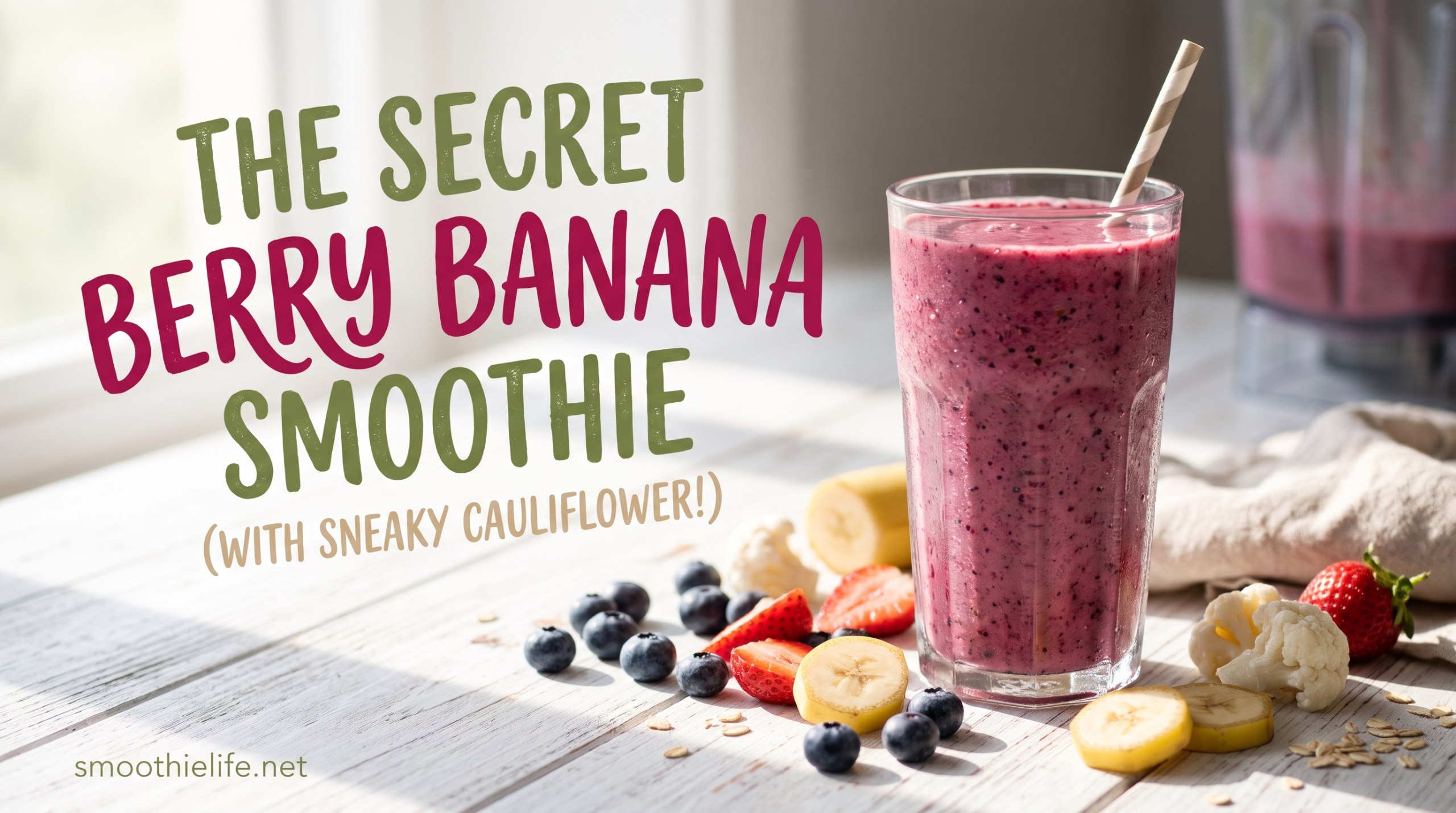
3 Amazing Hidden Veggies in Smoothies for Picky Kids: Color, Taste, and Texture Tested
Adding hidden veggies in smoothies is the single most reliable strategy for boosting a child’s daily plant intake without triggering power struggles at the breakfast table. When paired with a naturally sweet banana-berry base, mild vegetables completely lose their earthy bitterness while keeping their dense dietary fiber and micronutrient value. The verdict is straightforward: frozen cauliflower florets, peeled raw zucchini, and fresh baby spinach can all be blended into a standard berry smoothie completely undetected if you stick to precise serving thresholds.
While all three options succeed at hiding taste, they behave very differently when it comes to visual presentation and creaminess. Cauliflower creates a rich, milk-shake-like body without altering color; spinach delivers maximum iron and folate but turns dark berries a deep purple-brown; zucchini adds silent hydration without changing flavor at all. According to CDC nutrition guidelines, most children do not meet daily recommended vegetable targets, making these subtle additions an effective nutritional safety net for growing kids.
Quick Summary
- Best overall for stealth: Frozen cauliflower florets add thick creaminess with zero flavor interference or color distortion in dark berry blends.
- Best for hydration and low sweetness: Peeled zucchini blends silently into any fruit base without altering natural fruit tartness.
- Best for nutrient density: Baby spinach offers the highest iron and folate content, though green pigments require dark blueberries to mask visually.
- Golden ratio: Limit vegetable volume to one-quarter cup per eight-ounce serving to guarantee complete taste concealment.
Narrow Scope Declaration: What This Comparison Covers
This comparison focuses strictly on serving-tested, mild vegetables incorporated into a standard two-to-one banana and mixed berry base. We evaluated each option using eight-ounce child servings with fixed ratios to test exact thresholds of detection. We are not analyzing strong cruciferous greens like kale, earthy root vegetables like beets, or sulfur-heavy vegetables like raw broccoli, which routinely overpower fruit bases.
Our goal is to help parents select the ideal vegetable based on their child’s specific sensory triggers, whether that trigger is visual color sensitivity, texture hesitation, or subtle flavor detection. For a broader look at establishing routine habit changes for selective eaters, explore our comprehensive guide to picky eater smoothies.
Evaluation Criteria for Stealth Vegetables
To evaluate how effectively hidden veggies in smoothies perform, every test batch was measured against three critical sensory benchmarks that determine child acceptance:
- Color Impact: Does the vegetable shift the final drink from an inviting pink or purple into an unappealing gray, mud-brown, or murky green?
- Texture Alteration: Does the ingredient introduce chalkiness, grainy pulp, excessive thickness, or stringy fiber after a 60-second high-speed blend?
- Flavor Neutrality: Can a child detect sulfurous, grassy, or bitter notes through a basic banana, strawberry, and blueberry fruit base?
Meeting standards set by USDA MyPlate vegetable standards is easiest when parents focus on consistent micro-dosing rather than forcing large portion sizes into a single cup.
Detailed Comparison: 3 Mild Vegetables in a Banana-Berry Base
1. Frozen Cauliflower Florets (Riced or Chopped)
Frozen cauliflower is the undisputed king of stealth smoothie ingredients. When steamed and flash-frozen before blending, cauliflower loses its harsh sulfurous bite and takes on a completely neutral flavor profile. In a standard banana-berry base, a quarter-cup serving delivers an exceptionally smooth, frosty texture that mirrors soft-serve ice cream.
Because cauliflower is naturally white, it causes zero color distortion when mixed with red strawberries, purple blueberries, or dark blackberries. It simply dilutes intense pigments slightly, turning a dark violet blend into a creamy pastel purple. The optimal serving amount is 35 grams (approximately 1/4 cup) per 8-ounce smoothie cup.
2. Raw or Steam-Blanched Zucchini (Peeled)
Zucchini consists of over 94 percent water, making it the most hydrating, low-calorie vegetable option for fruit blends. The key to successful zucchini integration lies entirely in peeling off the dark green skin before blending. The interior pale flesh contains zero stringy fibers and blends into a silky, light liquid consistency.
When added to a banana-berry base, peeled zucchini contributes zero flavor and causes no color alteration whatsoever. It is slightly less thick than frozen cauliflower, making it ideal for children who dislike overly thick or heavy drinks. The recommended starting ratio is 40 grams (roughly 1/3 cup sliced, peeled zucchini) per serving.
3. Fresh Baby Spinach
Baby spinach is the classic starter green because its young leaves lack the bitter oxalic acid found in mature spinach or kale. However, spinach requires careful pigment management. Chlorophyll is a dominant pigment; pairing bright green spinach with red strawberries without blueberries often creates a murky brown shade that instantly alerts visual-sensitive kids.
To successfully hide spinach, always pair it with deeply pigmented dark fruit like wild blueberries or blackberries. The dark purple compounds easily overpower the green hue, keeping the smoothie looking dark purple. Use 15 grams (one small, loosely packed handful) per serving for maximum iron delivery with complete flavor stealth.
Key Takeaways
- Frozen cauliflower provides superior thickness and zero color change in all fruit bases.
- Peeled zucchini offers maximum liquid smoothness with zero flavor impact.
- Spinach delivers high micronutrients but requires dark blueberries to conceal visual green tones.
- Pre-freezing vegetables improves smoothie temperature and breakdown efficiency.
| Vegetable | Serving Amount | Color Impact | Texture Impact | Stealth Score |
|---|---|---|---|---|
| Frozen Cauliflower | 1/4 cup (35g) | None (Brightens pastel) | Ultra-creamy, thick | 10/10 |
| Peeled Zucchini | 1/3 cup (40g) | None (Invisible) | Silky, light liquid | 9.5/10 |
| Baby Spinach | 1 handful (15g) | High (Needs blueberries) | Smooth if high-speed | 8/10 |
What We Like
- Cauliflower adds frosty thickness without extra sugar or dairy.
- Zucchini blends smoothly even in standard personal blenders.
- Banana-berry fruit bases mask mild plant compounds completely.
Keep in Mind
- Unpeeled zucchini leaves dark green specks that trigger visual suspicion.
- Raw cauliflower can cause mild bloating; always use pre-blanched frozen florets.
- Over-packing spinach creates a earthy aftertaste regardless of fruit volume.
Suitability Filter: Matching Veggies to Your Child’s Needs
Not every hidden vegetable works for every kitchen scenario or child preference. Choose your vegetable strategically based on these practical guidelines:
- Choose Frozen Cauliflower if: Your child loves milkshake-style thickness and is extremely sensitive to visual color changes in their food.
- Choose Peeled Zucchini if: You want a low-cost, hydrating vegetable option that uses up fresh garden produce without altering smoothie thickness.
- Choose Baby Spinach if: Your primary goal is increasing natural iron and dietary folate, and your child willingly drinks dark purple blueberry smoothies.
Skip this if your child insists on transparent juices or strictly yellow/orange smoothie shades. Green spinach or purple berry-cauliflower blends will not match a yellow orange-mango appearance, and forcing color mismatches reduces trust.
Downsides and Limits of Hiding Vegetables
While blending hidden veggies in smoothies is an effective short-term nutritional bridge, parents should be aware of two specific operational trade-offs before relying on this method daily.
First, over-relying on hidden vegetables does not help children develop long-term familiarity with whole vegetable textures or visual appearances. If a child never sees or consciously tastes greens, their sensory tolerance for raw vegetables at dinner remains unchanged. Second, exceeding recommended vegetable proportions rapidly ruins a smoothie batch. Adding more than one-third cup of raw zucchini or cauliflower per serving introduces excess water or cruciferous bitterness, rendering the entire smoothie unpalatable and causing waste.
One Small Twist That Makes It Taste Better
To completely eliminate any residual veggie aroma and elevate the overall flavor, add one single drop of pure vanilla extract and a light squeeze of fresh lemon juice to the pitcher. The citric acid in lemon brightens natural berry sweetness, while vanilla creates a dessert-like aroma that completely masks raw plant notes.
Final Decision Framing
When starting your journey with hidden veggies in smoothies, prioritize consistency over high volume. Begin with just two tablespoons of frozen cauliflower florets or peeled zucchini in a classic banana and strawberry-blueberry base. Once your child accepts the routine without question, gradually build up to a full quarter-cup serving per glass.
By maintaining proper fruit ratios and paying close attention to visual color outcome, you can deliver valuable plant nutrients every morning quietly, easily, and without mealtime resistance.
In summary, keeping smoothie routines stress-free comes down to respecting sensory boundaries while building solid, health-supporting habits one sip at a time.
Bottom Line
- Frozen cauliflower is the top choice for zero flavor, zero color change, and rich creaminess.
- Always peel zucchini before blending to eliminate green flecks that give away hidden ingredients.
- Dark blueberries are mandatory when blending green spinach to prevent muddy brown colors.
- Start with a 1/4 cup vegetable portion per 8oz serving to guarantee complete taste stealth.
Frequently Asked Questions
How do I hide veggies in smoothies without changing the color?
Use white or pale vegetables like frozen cauliflower florets, peeled zucchini, or peeled yellow squash. These ingredients blend seamlessly into red strawberry or purple blueberry smoothies without altering the color or turning the drink brown.
Can you taste raw cauliflower in a berry smoothie?
You cannot taste raw or blanched frozen cauliflower if you keep the portion to 1/4 cup per serving and pair it with sweet fruits like ripe bananas and sweet berries. Always use pre-frozen cauliflower, as flash-steaming before freezing removes raw bitterness.
Do hidden vegetables lose their nutrients when blended?
No, blending vegetables breaks down plant cell walls, which can actually make certain nutrients easier for the body to absorb. Dietary fiber, vitamins, and minerals remain intact throughout the blending process.
Why did my green smoothie turn brown?
Smoothies turn brown when green chlorophyll from spinach or kale mixes with red pigments from strawberries or raspberries. To prevent brown smoothies, pair green veggies exclusively with dark blue or purple fruits like wild blueberries and blackberries.
Can I freeze zucchini before putting it in smoothies?
Yes, slicing and freezing peeled zucchini makes smoothie preparation fast and adds a refreshing cold texture. Peel the zucchini first, chop it into round coins, and freeze the pieces in a single layer on a parchment-lined baking sheet before storing them in a bag.
What is the best fruit to cover up vegetable flavors?
Ripe bananas and frozen sweet mangoes are the most effective fruits for masking vegetable notes. Ripe bananas provide high natural sweetness and a strong creamy flavor that naturally overpowers faint earthy tones.
How much vegetable content should I put in a kid’s smoothie?
Start with 2 tablespoons (about 15-20 grams) for young toddlers, and scale up to 1/4 cup (35-40 grams) per 8-ounce serving for school-aged children. This keeps the fruit-to-vegetable ratio around four-to-one for ideal taste acceptance.
Should I steam vegetables before adding them to smoothies?
Hard root vegetables and broccoli should be steamed and cooled before freezing to improve digestive comfort and blend texture. However, baby spinach, peeled zucchini, and store-bought frozen cauliflower can be added directly to the blender without extra cooking.