Natural Sweeteners for Smoothies: 4 Amazing Options
Choosing the right natural sweeteners for smoothies can completely transform your morning routine. A great sweetener does far more than make a drink taste pleasant. It impacts glycemic response, alters mouthfeel, and either elevates or overwhelms subtle fruit flavors. Many people struggle with bitter aftertastes or stubborn unblended chunks when modifying their recipes.
By comparing glycemic index, liquid solubility, and taste characteristics, you can easily match the right ingredient to your blend. Whether you prefer whole fruit options or quick liquid drops, understanding how these ingredients perform ensures a smooth and balanced beverage every time.
Quick Summary
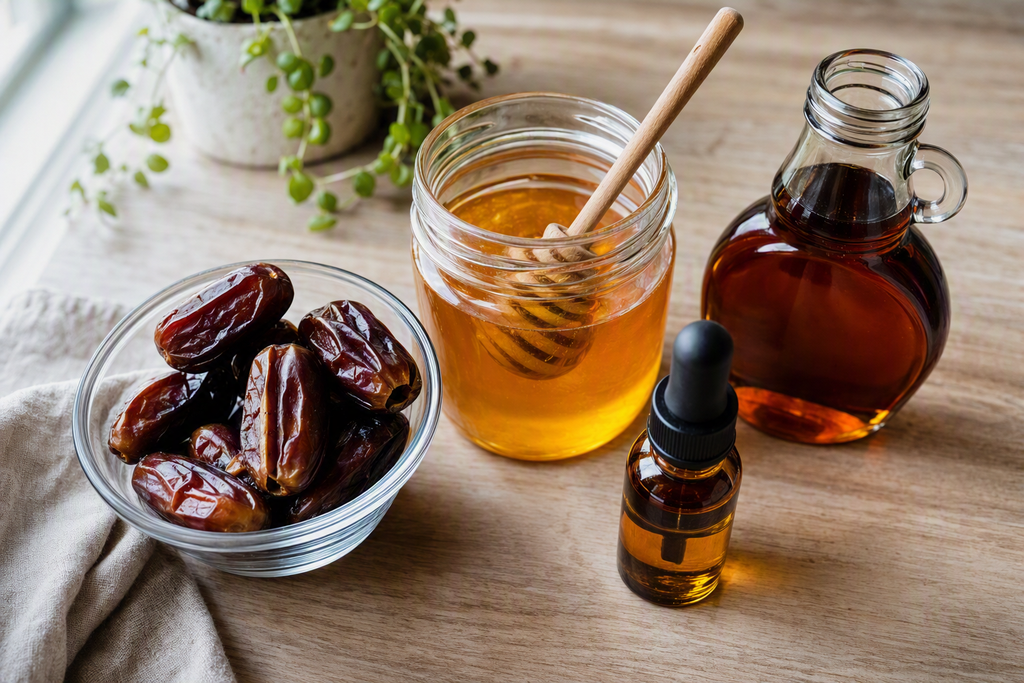
- Whole fruit choices like Medjool dates supply natural dietary fiber that slows sugar absorption while adding creaminess.
- Pure maple syrup and raw honey integrate effortlessly into cold liquids without leaving chalky residue behind.
- Zero-calorie extractions like monk fruit provide intense sweetness without shifting daily carbohydrate intake or raising blood glucose.
Narrowing the Scope of Natural Sweeteners for Smoothies
This comparison focuses strictly on unrefined ingredients intended for daily blender use. We are evaluating raw honey, Medjool dates, pure maple syrup, and monk fruit extract. We will not cover artificial chemical sweeteners, highly processed high-fructose corn syrups, or complex baking sugar alcohol blends.
Our primary goal is practical execution in a home kitchen. We analyze how each ingredient behaves under standard blade friction, how it interacts with leafy greens, and how it manages overall energy delivery.
Three Core Evaluation Factors for Smoothie Sweeteners
Evaluating natural sweeteners for smoothies requires balancing three distinct functional properties:
- Glycemic Impact: How quickly the sugar enters your bloodstream, which affects sustained morning energy levels.
- Blendability: How easily the sweetener dissolves or emulsifies with ice, frozen fruit, and plant milk.
- Flavor Profile: The underlying taste notes (floral, caramel, woody, or herbal) that interact with your primary recipe base.
Ignoring any of these factors usually leads to common blender failures. A sweetener might taste great but leave dense chunks at the bottom of your cup. Alternatively, a zero-calorie option might blend perfectly but leave an unpleasant metallic lingering note.
Comparing Popular Natural Sweeteners for Smoothies
Medjool dates stand out as a top whole-food sweetener. Because they retain their natural plant fiber, dates create a gradual glycemic curve compared to isolated syrups. They impart a deep caramel warmth that pairs exceptionally well with almond butter, cocoa powder, and frozen bananas. However, their thick outer skin demands strong blade torque.
Pure maple syrup and raw honey represent the liquid category. Maple syrup brings a rich, woody sweetness that dissolves instantly, even in ice-heavy drinks. Raw honey offers floral complexity and antibacterial enzymes, though cold temperatures can cause raw honey to freeze onto the blender container walls if not poured directly into the liquid vortex.
Key Takeaways
- Dates require adequate liquid and blending time to prevent small fibrous fragments in the final drink.
- Liquid syrups provide predictable sweetness distribution throughout frozen beverages.
- Monk fruit delivers concentrated sweetness with zero glycemic impact, making it ideal for low-carbohydrate routines.
| Sweetener | Glycemic Index | Blendability | Ideal Pairing |
|---|---|---|---|
| Medjool Dates | Low to Moderate (~42) | Requires high torque | Oats, cacao, nut butter |
| Raw Honey | Moderate (~58) | Instant in liquid | Citrus, berries, kefir |
| Pure Maple Syrup | Moderate (~54) | Instant in liquid | Pecan, pumpkin, green tea |
| Monk Fruit Extract | Zero (0) | Dissolves rapidly | Spinach, avocado, tart fruit |
Suitability Filter: Which Sweetener Matches Your Routine?
Your ideal choice depends on your personal wellness targets and morning prep time:
- Choose Medjool Dates if: You prioritize whole foods, want extra dietary fiber, and make meal-replacement shakes.
- Choose Pure Maple Syrup or Honey if: You need rapid 60-second morning cleanup and make cold, ice-heavy fruit recipes.
- Choose Monk Fruit Extract if: You follow a ketogenic diet, monitor total sugar intake, or want to avoid blood sugar spikes entirely.
Risks and Limitations of Unrefined Sweeteners
It is easy to assume that natural sweeteners for smoothies can be used without restraint. However, unrefined sugars still contribute to overall caloric intake. Excess honey or maple syrup can quickly turn a light snack into a calorie-dense beverage.
Whole dates add natural body, but using too many can make a drink dense and heavy. Furthermore, concentrated zero-calorie extractions like monk fruit are significantly sweeter than table sugar, requiring precise micro-dropper measurements to avoid over-sweetening.
Final Decision Framing for Balanced Blends
Achieving a balanced taste profile requires pairing your sweetener with your base ingredients. Tart berries and leafy greens benefit from the light floral brightness of raw honey or monk fruit. Rich protein bases containing peanut butter or hemp seeds match perfectly with the deep notes of maple syrup or dates.
Start with a minimal amount, blend thoroughly, and taste test before adding more. This simple step prevents masking the natural flavors of your fresh produce.
Bottom Line
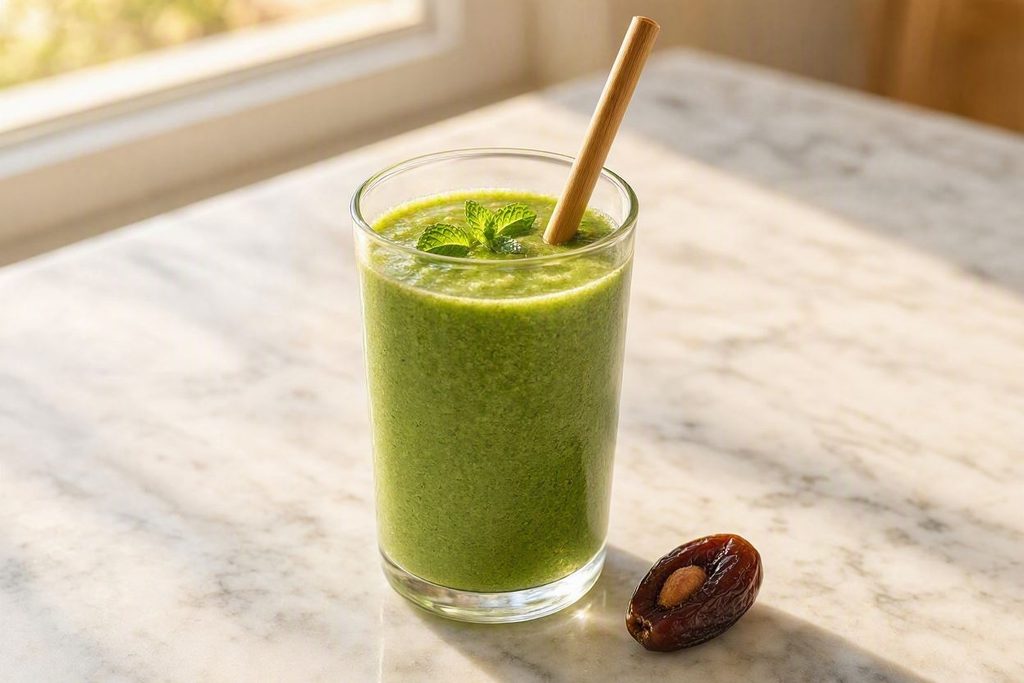
- Select Medjool dates when your recipe needs both natural sweetness and thick, creamy body.
- Use liquid maple syrup for effortless cold blending without texture friction or clumping.
- Rely on pure monk fruit extract to keep green smoothie recipes low in overall carbohydrates.
Frequently Asked Questions About Natural Sweeteners for Smoothies
What is the lowest glycemic natural sweetener for smoothies?
Monk fruit extract has a glycemic index of zero and does not raise blood sugar levels. Among whole-food options, Medjool dates have a lower glycemic impact than pure liquid syrups due to their natural fiber content.
Can I use frozen dates in my blender?
Frozen dates can be tough on blender blades. It is best to thaw or soak them in warm water for a few minutes before blending to ensure a smooth, chunk-free texture.
Does honey lose its benefits when blended?
Friction blending does not generate enough heat to destroy the beneficial enzymes in raw honey. As long as you are not blending with boiling liquids, raw honey retains its natural properties.
How do I prevent honey from sticking to the blender container?
Add your liquid base (such as almond milk or coconut water) first, start the motor on low, and pour the honey directly into the liquid center vortex while blending.
Why does my green smoothie taste bitter even with maple syrup?
Leafy greens like kale contain bitter alkaloid compounds. If maple syrup alone does not mask the bitterness, add a squeeze of fresh lemon juice; acid balances bitter notes far better than extra sugar.
Is monk fruit sweeter than regular sugar?
Yes, pure monk fruit extract is roughly 150 to 200 times sweeter than cane sugar. You only need a tiny pinch or a couple of liquid drops to sweeten an entire blender jar.
Finding the perfect sweetener comes down to understanding how ingredients interact in your blender jar. By matching your sweetener to your texture preferences and daily lifestyle goals, you can craft delicious, wholesome beverages every single morning.