Naturally Low Sugar Smoothies: 5 Amazing Tips
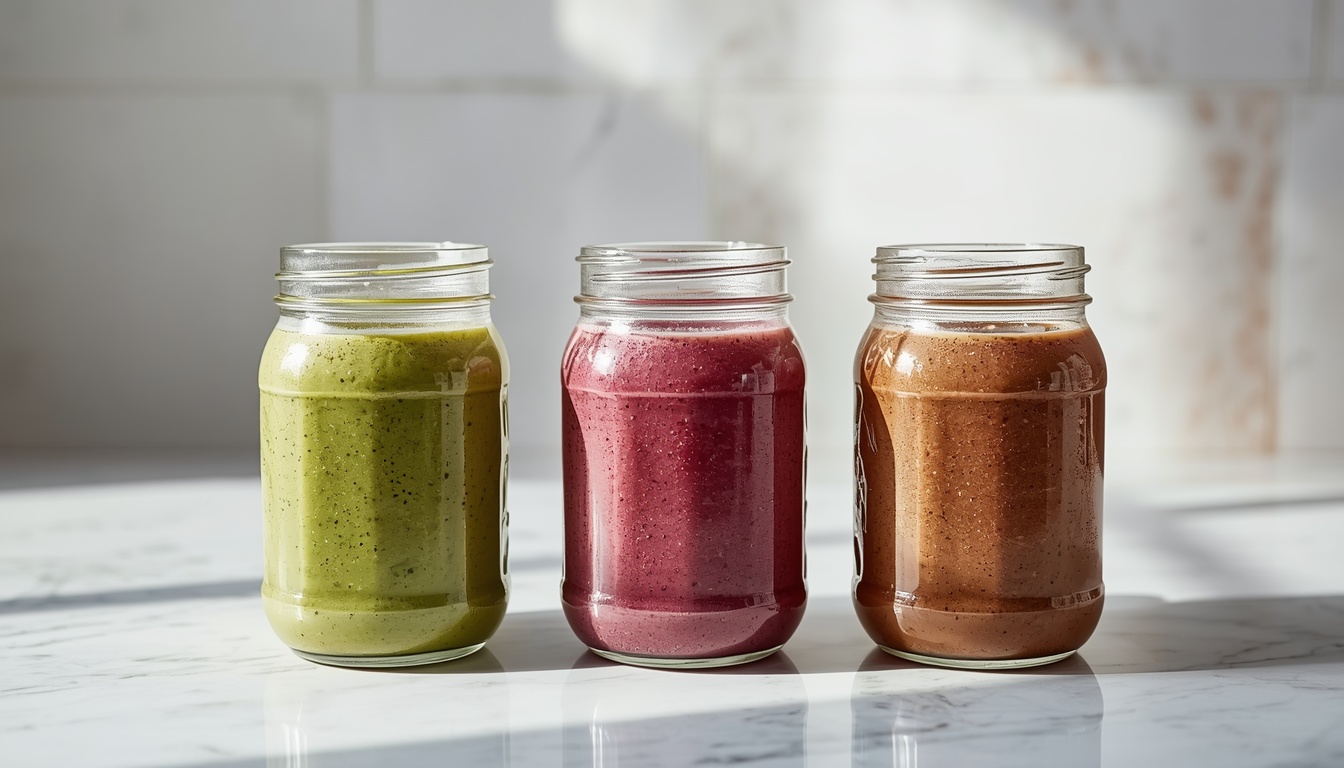
Preparing naturally low sugar smoothies is the most effective way to enjoy fresh blended nutrition without experiencing rapid blood sugar spikes or energy crashes. By prioritizing high-fiber greens, low-glycemic fruits, healthy fats, and clean protein bases, you can create delicious beverages that keep you satisfied for hours. This comprehensive guide covers the science of low-glycemic blending, essential ingredient ratios, and practical routines for long-term health.
Quick Summary
- Prioritize leafy greens, avocado, and seeds over high-fructose fruit bases to manage glycemic impact.
- Pairing low-sugar fruits with healthy fats and protein slows digestion and prevents energy slumps.
- Unsweetened nut milks and herbal infusions serve as ideal zero-sugar liquid foundations.
Why Traditional Fruit Smoothies Cause Blood Sugar Spikes
Many commercially prepared smoothies rely heavily on fruit juice concentrates, sweetened yogurts, and high-sugar tropical fruits like ripe bananas and mangoes. While these ingredients offer vitamins, they deliver concentrated fructose that rapidly enters the bloodstream when fiber is pulverized during processing.
When a beverage contains high amounts of simple sugars without adequate buffering agents like dietary fat or protein, your pancreas produces a quick surge of insulin. This rapid increase in glucose is frequently followed by a steep drop, leaving you fatigued and hungry shortly after drinking.
Transitioning to naturally low sugar smoothies shifts the core architecture of your blend from fruit-heavy to plant-rich, ensuring steady energy levels and enhanced metabolic comfort throughout the day.
The Science of Glycemic Impact in Blended Drinks
The glycemic load of a smoothie reflects how significantly a serving raises blood glucose levels. Understanding how macronutrients interact during digestion helps you design recipes that promote steady metabolic response.
Soluble fiber absorbs liquid and creates a gel-like consistency in the digestive tract. Research compiled by the Harvard T.H. Chan School of Public Health emphasizes that dietary fiber slows carbohydrate absorption, directly helping stabilize blood sugar levels after meals.
Adding healthy fats such as almond butter, chia seeds, or coconut oil delays gastric emptying even further. This extended breakdown ensures a gradual release of nutrients into circulation rather than a sudden rush.
Key Elements of Naturally Low Sugar Smoothies
Crafting balanced, low-sugar beverages requires substituting sugar-heavy components with nutrient-dense alternatives that build body, creaminess, and deep flavor.
1. Choosing Low-Glycemic Liquid Bases
Avoid commercial fruit juices, sweetened coconut water, and flavored plant milks. Instead, opt for unsweetened almond milk, cashew milk, hemp milk, cold-brewed green tea, or plain filtered water with a splash of lemon.
2. Selecting Whole Low-Sugar Fruits
Berries—such as wild blueberries, raspberries, and blackberries—are rich in antioxidants while maintaining a low sugar profile. Green apples, lemons, limes, and small portions of tart cherries also provide bright flavor without excessive fructose.
3. Incorporating Healthy Fats and Proteins
Fat and protein provide texture and long-lasting satiety. Incorporate fresh avocado, hemp hearts, pumpkin seeds, sugar-free nut nut butters, or clean unflavored protein powders to transform a light drink into a complete meal.
Key Takeaways
- Swap juice bases for unsweetened plant milk or green tea to eliminate 15–25 grams of hidden sugar.
- Integrate avocado or nut butter to create a rich, velvety texture without relying on bananas.
- Incorporate wild berries or green apples for natural tartness and rich polyphenol content.
| Ingredient Class | High-Sugar Option (Avoid) | Low-Sugar Replacement | Primary Benefit |
|---|---|---|---|
| Liquid Base | Orange juice, sweetened oat milk | Unsweetened almond milk, water | Zero added sugars |
| Fruit Base | Ripe bananas, mango, pineapple | Raspberries, blackberries, avocado | High fiber, low glycemic load |
| Thickener | Sweetened yogurt, sorbet | Chia seeds, hemp hearts, zucchini | Essential fatty acids and volume |
3 Balanced Recipes for Naturally Low Sugar Smoothies
Here are three functional, low-sugar recipes designed for optimum flavor, texture, and sustained vitality without artificial sweeteners.
Green Avocado Cleanse
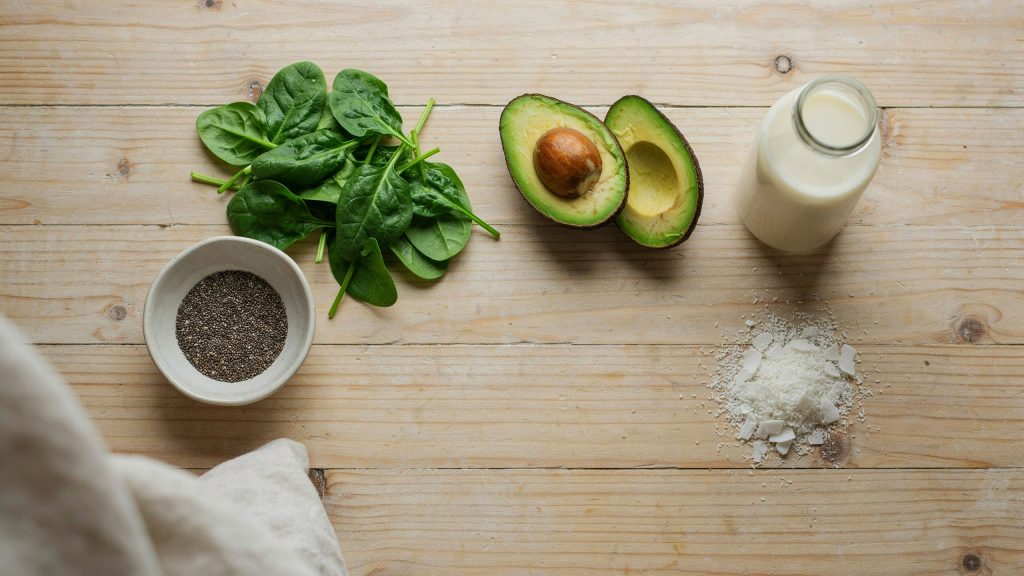
Blend 1 cup unsweetened almond milk, 1/2 fresh avocado, 1 cup organic baby spinach, 1/2 cup English cucumber, 1 tablespoon chia seeds, and the juice of half a fresh lime. This combination offers a silky texture with clean green notes.
Berry Chia Protein Shake
Combine 1 cup unsweetened coconut milk beverage, 1/2 cup frozen wild raspberries, 1 scoop unflavored plant protein powder, 1 tablespoon hemp seeds, and a dash of ground Ceylon cinnamon. Cinnamon adds warm aromatic depth while supporting glucose metabolism.
Creamy Cacao Nut Butter Smoothie
Mix 1 cup unsweetened cashew milk, 1 tablespoon raw unsweetened cacao powder, 1 tablespoon natural almond butter, 1/2 cup frozen steamed cauliflower florets (for body), and a pinch of pink Himalayan sea salt. The cauliflower creates a rich milkshake consistency without adding sweet flavor.
One Small Twist That Makes It Taste Better
To enhance flavor naturally without adding sweet drops or syrups, add a tiny pinch of sea salt and a squeeze of fresh lemon juice to any low-sugar recipe. Salt counteracts natural plant bitterness, while citrus brightens dark greens and cacao.
Evaluating Ingredient Quality and Prep Methods
Choosing the right format for your produce helps balance convenience, cost, and nutritional preservation.
What We Like
- Frozen berries and greens are locked in at peak freshness and eliminate food waste.
- Pre-steamed frozen zucchini or cauliflower adds thick texture without altering taste.
- Nuts and seeds ground fresh in the blender retain sensitive omega fatty acids.
Keep in Mind
- Pre-packaged frozen smoothie packs often contain hidden juice cubes or sweetened glazes.
- Raw cruciferous vegetables can carry a strong flavor if not balanced with citrus or herbs.
Risks, Limitations, and Common Pitfalls
While low-sugar blending supports wellness, a few common mistakes can impact digestive comfort and satiety.
Overloading blends with excessive raw greens high in oxalates may cause mild stomach discomfort for sensitive individuals. Rotating green sources between spinach, romaine lettuce, cucumber, and fresh herbs helps maintain digestive ease.
Additionally, drinking a cold smoothie too quickly can bypass key digestive signals in the mouth. A clinical investigation indexed by the National Institutes of Health indicates that slow consumption and mindful mastication movements promote optimal gastrointestinal hormone responses and fullness awareness.
How to Build Your Own Low-Sugar Smoothie Routine
Creating a sustainable routine relies on simple prep work and consistent ingredient ratios rather than complicated measuring.
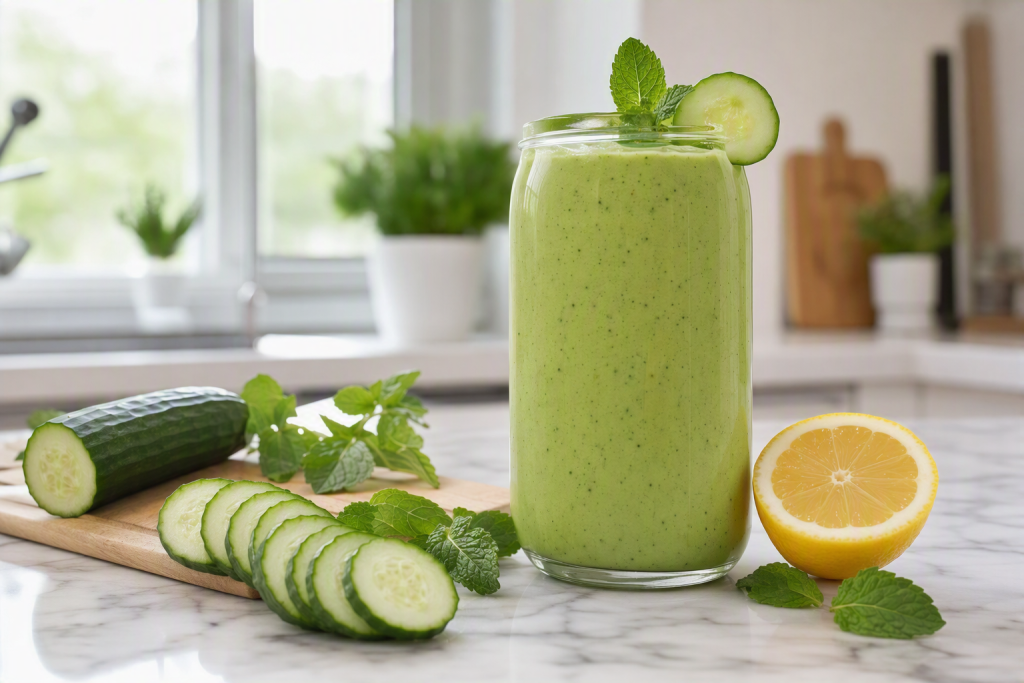
Follow this simple formula for a single serving: 1 cup liquid base + 1 cup leafy greens + 1/2 cup low-sugar fruit + 1 serve healthy fat/protein + 1 pinch flavor enhancer (herbs, spice, or citrus). Pre-portioning dry seeds and frozen greens into reusable bags cuts morning preparation down to under two minutes.
Bottom Line
- Naturally low sugar smoothies offer clean nutrition without triggering blood sugar spikes.
- Focus on high-fiber greens, low-glycemic fruits, and healthy fats for reliable satiety.
- Simple additions like citrus juice and Ceylon cinnamon elevate taste without extra sugar.
Frequently Asked Questions About Naturally Low Sugar Smoothies
Can naturally low sugar smoothies support weight loss goals?
Yes. By replacing sugar-rich ingredients with dietary fiber, healthy fats, and protein, these blends promote satiety and help reduce overall calorie intake throughout the day.
Which fruits are lowest in sugar for daily smoothie recipes?
Wild raspberries, blackberries, strawberries, green apples, lemons, limes, and avocados contain significantly lower sugar levels compared to tropical fruits like bananas or mangoes.
How do I make a low sugar smoothie taste sweet without artificial additives?
Incorporate warming spices like Ceylon cinnamon, vanilla bean powder, or nutmeg. Fresh mint leaves and citrus peels also enhance natural sweetness perception without adding sugar.
Is protein powder necessary in naturally low sugar smoothies?
Protein powder is optional. You can easily meet protein targets using whole-food ingredients like hemp seeds, pumpkin seeds, chia seeds, or unsweetened Greek yogurt.
Will blending vegetables and fruits destroy their beneficial fiber?
No. Blending breaks plant cell walls and reduces structural particle size, but the total amount of dietary soluble and insoluble fiber remains intact inside the smoothie.
What liquid base is best for avoiding hidden sugars?
Filtered water, cold unsweetened herbal teas, and unsweetened nut milks (such as almond or cashew milk) provide hydration with zero added sugars.
Can I store low sugar smoothies in the fridge overnight?
Yes. Store your blended drink in an airtight glass jar filled to the brim to minimize oxygen exposure. Consume within 24 hours for optimal flavor and nutritional quality.
Are low sugar smoothies suitable for keto or low-carb diets?
Absolutley. By choosing leafy greens, avocado, nuts, seeds, and unsweetened plant milk, you can easily keep net carbs under 5–8 grams per serving.