
Greek Yogurt and Protein Powder Smoothie Recipes: Mastering Ratios
Combining greek yogurt and protein powder smoothie recipes creates a powerful post-workout nutrition foundation, delivering up to 40 grams of protein in a single glass. However, blending these two dense ingredients often leads to texture issues or an overly sweet, chalky drink. The secret lies in balancing the natural tartness and thick viscosity of Greek yogurt with the intense sweetness and dry mouthfeel of various protein powders. By adjusting fluid ratios, fat content, and complementary acids like berries or citrus, you can craft smooth, delicious post-workout shakes that support muscle repair without sacrificing taste.
Quick Summary
- High-protein smoothie formulation requires balancing Greek yogurt tartness with protein powder sweetener.
- Liquid ratio management prevents chalkiness and creates a smooth, drinkable consistency.
- Fruit and fat adjustments offset protein powder aftertaste without adding excessive refined sugars.
Narrowing the Scope: What These High-Protein Formulations Do Best
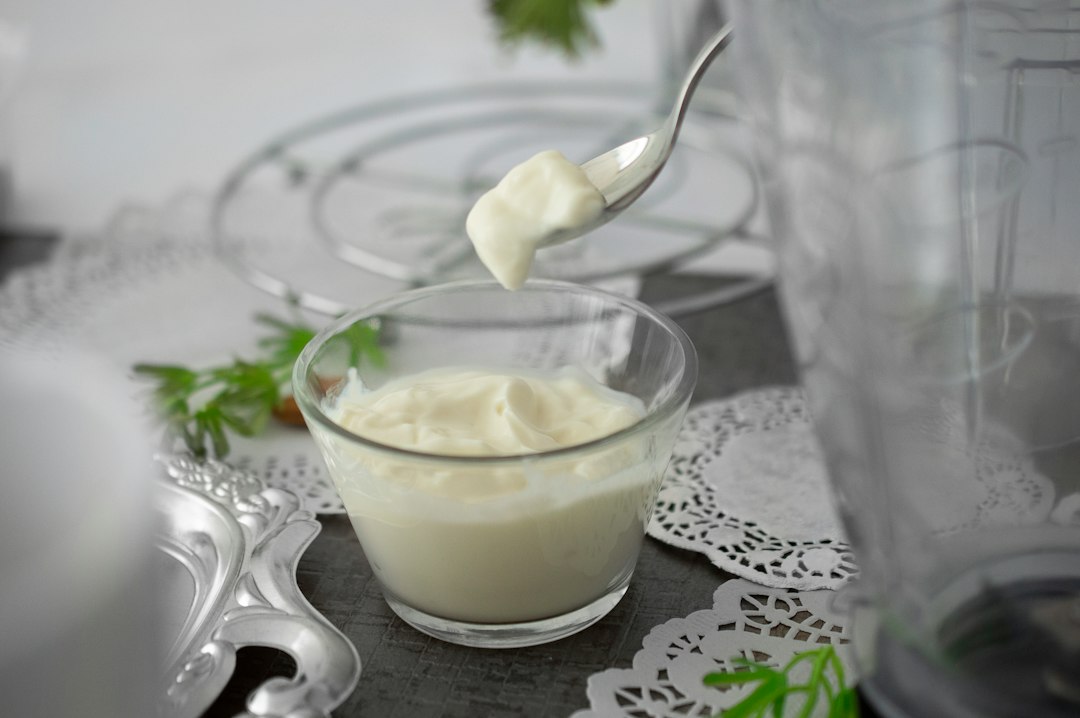
This guide focuses specifically on greek yogurt and protein powder smoothie recipes designed for post-workout recovery and daily athletic protein requirements. We evaluate how whey, casein, and plant-based protein powders interact chemically and physically with full-fat, reduced-fat, and non-fat Greek yogurt. This article does not cover commercial pre-made yogurt drinks, low-protein dessert smoothies, or dairy-free yogurt alternatives.
Evaluation Criteria for Balanced High-Protein Smoothies
To build a balanced shake, three main factors dictate success:
- Viscosity and Liquid Ratio: Greek yogurt contains significantly less water than standard yogurt. Adding dry protein powder absorbs extra liquid, requiring a higher fluid base like almond milk or water.
- Acid-to-Sweetness Balance: Greek yogurt delivers a natural pH tartness. Whey isolates and plant powders often contain strong sweeteners like stevia or sucralose that can overwhelm the palate if not neutralized.
- Emulsification and Texture: Dairy fats or healthy nut fats bind protein particles together, eliminating the gritty, chalky mouthfeel common in high-protein blends.
Protein Base Ratios and Flavor Synergy
Matching the right type of Greek yogurt with your chosen protein powder ensures optimal texture and flavor harmonization.
Key Takeaways
- Whey isolate pairs best with 2% Greek yogurt for a clean, light post-workout drink.
- Plant-based protein powders require extra fluid and full-fat Greek yogurt to mask graininess.
- Acidic fruits like frozen berries cut through dense whey sweetness naturally.
| Yogurt Type | Protein Powder Pair | Liquid Base | Best Use Case |
|---|---|---|---|
| Non-Fat Greek Yogurt | Vanilla Whey Isolate | Unsweetened Almond Milk | Low-calorie post-workout recovery |
| 2% Reduced Fat Greek Yogurt | Unflavored Whey or Collagen | Coconut Water or Water | Balanced everyday meal replacement |
| Full-Fat Greek Yogurt | Pea / Plant-Based Protein | Oat Milk or Skim Milk | Satiating bulk recovery shake |
Suitability Filter: Who Should Use These Blends?
These high-density blends suit active individuals needing efficient protein delivery after training. According to research on protein timing and muscle synthesis published by the National Institutes of Health, combining fast-digesting whey with slow-digesting dairy proteins like Greek yogurt provides extended amino acid availability. According to the USDA FoodData Central, plain Greek yogurt offers nearly double the protein of traditional yogurt while maintaining a low glycemic impact. However, those sensitive to lactose or milk proteins should substitute plant-based yogurt alternatives and dairy-free powders.
Risks, Limitations, and Texture Failures
Overloading a blender with Greek yogurt and protein powder without adequate liquid produces a pasty texture rather than a drinkable smoothie. Additionally, combining heavily sweetened protein powders with flavored Greek yogurts can cause excess calorie intake and an overly artificial flavor profile. Stick to plain, unsweetened Greek yogurt as your base to retain control over total sugar content.
Final Decision Framing: Crafting Your Perfect Ratio
When building greek yogurt and protein powder smoothie recipes, use a standardized base formula: 1/2 cup of plain Greek yogurt, 1 scoop of protein powder, 1 cup of liquid, and 1/2 cup of frozen fruit. Adjust fluids by 2 tablespoons at a time until reaching your preferred consistency.
Bottom Line
- Plain Greek yogurt gives you maximum control over sweetness and calorie density.
- Layering liquid first prevents protein powder from sticking to blender walls.
- Frozen berries and lemon juice offer the ideal acid balance against sweet whey powders.
Frequently Asked Questions
Can I mix Greek yogurt and protein powder together without a blender?
Yes, you can whisk plain Greek yogurt and protein powder in a bowl with a little milk to create a high-protein pudding, but a blender is required for a drinkable smoothie consistency with fruit and ice.
Is it better to use plain or vanilla Greek yogurt?
Plain Greek yogurt is recommended because flavored yogurts contain added sugars that clash with artificial sweeteners already present in most commercial protein powders.
How much protein is in a Greek yogurt and protein powder smoothie?
A standard smoothie made with 1/2 cup of Greek yogurt (approx. 12g protein) and 1 scoop of protein powder (approx. 20–25g protein) yields between 32 and 37 grams of total protein.
Why does my protein smoothie get too thick?
Greek yogurt and protein powder both act as thickeners. To fix an overly dense smoothie, add liquid (water, almond milk, or coconut water) 2 to 3 tablespoons at a time while blending on medium speed.
Mastering high-protein smoothie formulation comes down to balancing texture and flavor components thoughtfully. By combining plain Greek yogurt with your favorite protein powder and adjusting liquid ratios, you ensure every shake supports your fitness goals while remaining truly enjoyable to drink.