Smoothies for Picky Eaters: The Ultimate Parent Guide to Stealth Veggies, Serving Gear, and Sensory Control
Introducing nutrient-dense foods to selective eaters often feels like an uphill battle at the dinner table. Preparing targeted smoothies for picky eaters offers a stress-free, sensory-conscious strategy to deliver essential vitamins, healthy fats, and dietary fiber without triggering food refusal.
Quick Summary
- Sensory control over texture, color, and temperature is the single most critical factor when making smoothies for picky eaters.
- Stealth veggies like frozen cauliflower, peeled zucchini, and mild spinach blend seamlessly into fruit-heavy bases without altering flavor.
- Using opaque cups, fun silicone straws, and frozen popsicle molds removes visual suspicion and encourages independent tasting.
The Psychology of Food Refusal: Why Liquid Nutrition Works
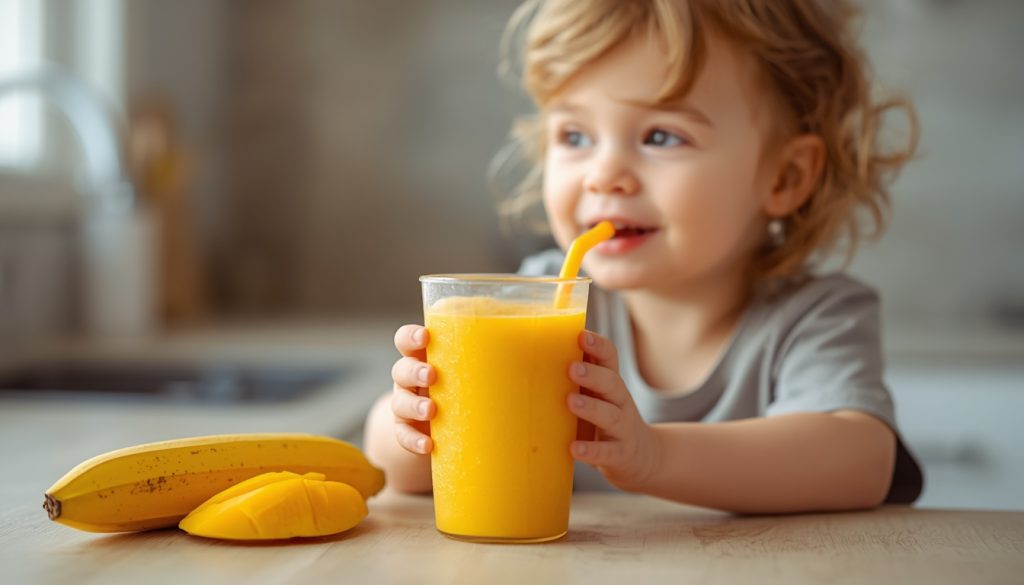
Childhood picky eating is a typical developmental milestone linked to autonomy and sensory processing. Children often reject foods based on unpredictable textures, bitter visual cues, or unfamiliar mouthfeel rather than actual taste preferences.
Blending fresh or frozen whole ingredients breaks down tough fibers, creating a uniform, predictable consistency. According to the Centers for Disease Control and Prevention guidelines, establishing consistent fruit and vegetable intake during early development builds long-term healthy eating habits. Liquid formats lower the anxiety associated with chewing varied textures, offering a neutral entry point for key nutrients.
Overcoming Neophobia Through Gradual Familiarity
Food neophobia, or the fear of new foods, thrives on visual surprise. When a child sees flecks of green or seeds floating in a cup, their defense mechanism immediately flags the drink as unsafe.
By standardizing smoothie preparations, parents can slowly introduce micro-quantities of novel ingredients without alarming the child. Over time, repeated positive exposure reduces sensory sensitivity, making solid fruits and vegetables far more acceptable later on.
Sensory Control: Color, Texture, and Temperature
To succeed with smoothies for picky eaters, parents must manage three distinct sensory pillars before serving. A single seed, grain, or off-putting gray hue can cause immediate rejection.
Temperature plays a vital role in muting overpowering flavors. Cold beverages dull the taste buds slightly, making earthy vegetable notes far less noticeable to sensitive palates.
Eliminating Texture Triggers and Chalkiness
Grittiness is the primary reason children push away a homemade blend. Grainy protein powders, unblended berry seeds, and stringy greens disrupt the smooth mouthfeel kids expect.
High-powered blending is essential to pulverize tough cell walls. Running a high-speed blender on high for 60 to 90 seconds ensures complete homogenization, transforming fibrous spinach and seeds into a silky liquid.
The American Academy of Pediatrics picky eating advice highlights that offering consistent, non-threatening food exposures helps ease child mealtime stress. Maintaining a smooth texture respects your child’s sensory boundaries while safeguarding their daily intake.
Color Masking and Visual Presentation
Visual appeal dictates whether a selective child will take their first sip. Combining greens with red strawberries creates an unappetizing brown shade that signals danger to a cautious toddler.
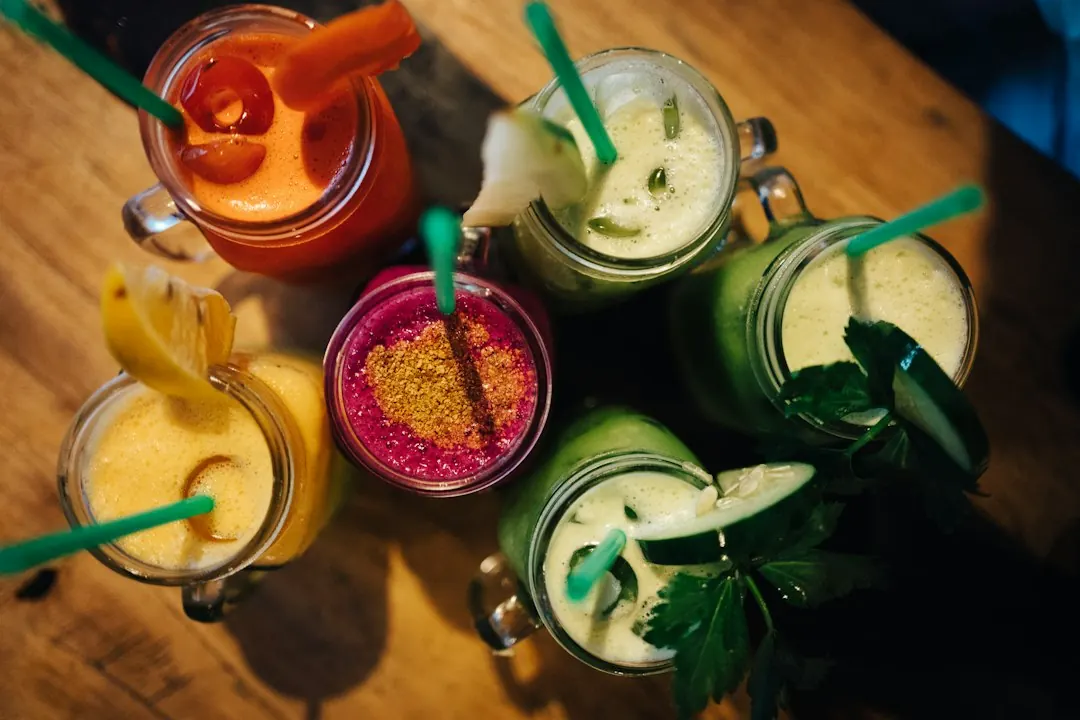
Pair green spinach strictly with yellow or orange fruits like mango, pineapple, and banana to preserve a vibrant green color. Alternatively, intense natural pigments from blueberries, blackberries, or roasted beets easily overwhelm green hues, turning the drink deep purple or bright pink.
Key Takeaways
- High-speed blending neutralizes fiber grit and seed texture entirely.
- Always match ingredient colors intentionally to prevent dull, muddy tones.
- Serving drinks frosty cold masks strong earthy or tangy flavors.
| Stealth Vegetable | Flavor Profile | Best Color Pairings | Target Texture |
|---|---|---|---|
| Steamed & Frozen Cauliflower | Neutral, subtle creaminess | Strawberry, Banana, Mango | Thick & Creamy |
| Raw Baby Spinach | Mild, slightly sweet | Pineapple, Mango, Orange | Silky Liquid |
| Peeled Zucchini | Virtually flavorless | Blueberry, Raspberry, Chocolate | Smooth Base |
| Cooked Sweet Potato | Naturally sweet & earthy | Peach, Cinnamon, Vanilla Oat Milk | Velvety Milkshake |
Stealth-Veggie Blends: Incorporating Greens and Roots
Stealth-veggie techniques involve integrating nutrient-dense vegetables into sweet fruit bases without altering taste or texture. This approach ensures kids receive essential dietary fiber, potassium, and vitamins during selective eating phases.
Start with a low veggie-to-fruit ratio of roughly 1:4. As your child grows accustomed to drinking smoothies, incrementally raise the vegetable portion every few weeks.
Frozen Riced Cauliflower and Peeled Zucchini
Frozen riced cauliflower is an exceptional addition to kid-friendly smoothies. Because it is pre-steamed and frozen, it blends into a creamy, ice-cream-like consistency without adding any bitter sulfur notes.
Peeled zucchini functions identically by offering liquid volume, folate, and potassium. Removing the dark green skin before freezing ensures no dark green specks betray the vegetable’s presence.
Sweet Potato, Pumpkin, and Carrots
Naturally sweet root vegetables match exceptionally well with warm fruit and spice flavors. Cooked, cooled sweet potato puree lends a velvety milkshake texture while providing rich beta-carotene.
Canned pumpkin puree offers a similar benefit when paired with banana, cinnamon, and oat milk. Steamed carrot coins blend easily with frozen mango and orange juice to yield an energizing, bright orange glass kids love.
Allergy-Aware and Dairy-Free Ingredient Swaps
Dairy sensitivities and nut allergies are frequent considerations when formulating nutritious drinks for young children. Fortunately, allergen-friendly substitutions can match the creaminess of traditional milk and yogurt bases.
Swapping ingredients strategically allows parents to boost healthy fats and protein without relying on common food allergens.
Replacing Dairy Yogurt and Milk
Unsweetened vanilla oat milk offers a naturally sweet flavor and thick body that mirrors dairy milk. Full-fat canned coconut milk, used in small quantities, creates an indulgent tropical texture that disguises earthier greens.
Avocado is another brilliant replacement for Greek yogurt. Half a ripe avocado provides monounsaturated fatty acids and silky texture without contributing a strong flavor when paired with sweet pineapple or banana.
Nut-Free Fat and Protein Boosters
If peanut or tree nut allergies are a concern, seed butters provide substantial protein and healthy calories. Sunflower seed butter blends smoothly into chocolate or banana bases with minimal bitterness.
Hulled hemp seeds and chia seeds also enrich smoothies with omega-3 fatty acids. Blend hemp seeds thoroughly into the liquid base before adding frozen fruit to ensure complete suspension with zero residual grit.
Frozen Formats: Smoothie Popsicles and Slushies
Altering the delivery format is one of the most effective ways to bypass mealtime stubbornness. Frozen treats are instantly viewed as dessert, lowering defensive responses in cautious children.
Pouring leftover smoothie mix into silicone popsicle molds transforms a morning beverage into a fun afternoon snack packed with authentic nutrition.
Creating Layered and Multi-Colored Popsicles
Multi-colored layered popsicles turn snack time into a playful event. Freeze a strawberry-cauliflower layer for one hour, then pour a mango-spinach layer on top before inserting the stick.
The distinct visual contrast looks like a store-bought ice pop. Children focus entirely on the fun appearance and cool temperature rather than inspecting the underlying ingredients.
Slushie and Sorbet Consistency Tricks
Reducing the liquid ratio turns a standard smoothie into a thick slushie that can be eaten with a spoon. Using frozen fruit exclusively produces an Italian-ice texture that feels special to toddlers.
Spoonable formats encourage active engagement. Giving kids control over how they eat their food fosters autonomy and reduces table battles.
Kid-Friendly Serving Gear and Presentation Strategies
The container you choose for serving is just as important as the recipe inside it. Standard transparent glasses display color variations and floating particles, prompting immediate skepticism.
Investing in specialized kid-friendly serving gear provides instant visual security and builds enthusiasm.
Opaque Tumblers and Silicone Straws
Opaque stainless steel or solid plastic cups completely hide the smoothie’s color. If a child cannot see that a drink is green or purple, they rely entirely on their taste buds.
Wide silicone straws are equally crucial because they prevent clogs while remaining gentle on tender gums and teeth. Narrow plastic straws cause frustration when thick frozen blends get stuck.
Interactive Serving: Choice and Pouring Stations
Children naturally resist foods when they feel forced. Offering simple, structured choices grants them a sense of control over their meal environment.
Allow your child to pick between two colored cups or choose their preferred straw shape. You can also set up a mini pouring pitcher so they can transfer the smoothie into their own glass independently.
Troubleshooting Common Smoothie Failures
Even carefully planned smoothie recipes can hit unexpected sensory roadblocks. Knowing how to adjust formulas on the fly prevents wasted ingredients and rejected meals.
Addressing separation, tartness, and unexpected thickness keeps drinks appetizing from the first sip to the last.
Fixing Separation and Layering
Smoothies that sit for several minutes often separate into watery liquid at the bottom and foamy pulp at the top. This visual separation frequently triggers instant refusal from picky kids.
Incorporate binding agents like frozen banana, chia seeds, or avocado to stabilize the emulsion. A pinch of sunflower lecithin or half a spoonful of nut or seed butter keeps the drink unified.
Correcting Tartness and Bitter Overtones
Unripe berries or dark leafy greens can leave a sharp, bitter aftertaste that offends sensitive palates. Avoid relying on refined sugar to fix taste imbalances.
Add a quarter of a ripe frozen banana, two pitted Medjool dates, or a small splash of 100% apple juice. These natural sweeteners soften tart notes without causing drastic sugar spikes.
What We Like
- Hides dense vegetable nutrients inside familiar fruit flavors.
- Quick to prepare and easy to customize for dietary allergies.
- Frozen popsicles convert fresh nutrition into an exciting treat.
Keep in Mind
- Requires a high-powered blender to eliminate grit and seeds.
- Must be served fresh to avoid color changes and separation.
Parent-Approved Smoothie Recipe Framework
A reliable recipe structure helps you formulate endless variations tailored to your child’s preferences. Maintain a consistent ratio of liquid, frozen fruit, stealth vegetables, and healthy fats.
Follow this foundational formula to build balanced, sensory-friendly smoothies every single day.
The Golden Picky Eater Ratio
Combine 1 cup of liquid base (oat milk, coconut water, or almond milk) with 1/2 cup of stealth vegetable, 1 cup of frozen sweet fruit, and 1 tablespoon of healthy fat or protein.
Blend the liquid and vegetable first until completely uniform. Next, drop in the frozen fruit and healthy fat, running the machine on high until silky smooth.
3 Stealth-Veggie Recipes Kids Love
The Hidden Gold Smoothie: 1 cup oat milk, 1/2 cup frozen riced cauliflower, 1/2 cup frozen mango, 1/2 cup frozen banana, 1 tablespoon almond or sunflower butter. Blends into a bright yellow, creamy vanilla-like treat.
Monster Green Milkshake: 1 cup coconut water, 1/2 cup mild baby spinach, 1 cup frozen pineapple, 1/4 avocado. Yields a vivid neon green shade with a sweet tropical taste.
Berry Purple Magic: 1 cup apple juice, 1/2 cup cooked peeled zucchini, 1 cup frozen blueberries, 1 tablespoon chia seeds. Completely masks the zucchini under an intense dark purple hue.
Step-by-Step Transition Protocol for Selective Eaters
Shifting a child from high-sugar, store-bought beverages to nutrient-dense homemade smoothies requires patience and strategic pacing. Rushing the process often results in stubborn food strikes.
Implement this four-phase transition protocol over three to four weeks for seamless adoption.
Phase 1: Pure Fruit Milkshakes
Begin by blending sweet frozen strawberries, ripe banana, and familiar milk or juice. Keep the flavor ultra-sweet and familiar without adding any vegetables or seeds.
Serve this initial blend in an attractive, opaque tumbler with a fun straw. Establish smoothie time as a delightful, low-pressure daily habit.
Phase 2: Introducing Invisible Veggies
Once your child accepts the daily fruit blend, incorporate 2 tablespoons of frozen riced cauliflower or peeled zucchini. These vegetables alter neither flavor nor color.
Maintain this blend for a week until the child consistently finishes the glass. Gradually increase the vegetable portion to a full half-cup.
Phase 3: Color and Flavor Expansion
Introduce colorful veggies like mild baby spinach or sweet potato puree. Always pair new green or orange vegetables with strongly colored fruits to keep the presentation inviting.
Encourage your child to evaluate the taste casually without forcing them to finish the serving. Celebrate small steps and curiosity.
Phase 4: Functional Fatty Acids and Fiber
Finally, blend in hemp seeds, avocado, or nut butter to increase protein and sustained energy. Your child now enjoys a fully balanced meal in a single, comfortable glass.
Consistently serving smoothies for picky eaters builds a bridge toward broader dietary variety and peaceful family meal times.
Bottom Line
- Consistent sensory management makes vegetable nutrition accessible to selective kids.
- Stealth ingredients like frozen cauliflower and zucchini thicken blends without changing taste.
- Serving in opaque tumblers or popsicle molds turns healthy habits into fun daily treats.
Frequently Asked Questions
How do I stop my child from spotting green flecks in their drink?
Blend your leafy greens together with your liquid base on high speed for 60 seconds before adding frozen fruit. Additionally, serving the drink in a solid, opaque cup with a lid removes visual cues entirely.
Can I prepare kid-friendly smoothies the night before?
Fresh smoothies taste best immediately after blending, but you can store them in airtight jars in the fridge for up to 24 hours. Shake vigorously before serving, or pour leftovers into silicone popsicle molds to freeze for later.
What is the best vegetable to start with for a picky eater?
Frozen riced cauliflower and peeled raw zucchini are the absolute best starting vegetables. Both ingredients have zero strong flavor and blend into a smooth, creamy texture that mimics vanilla ice cream.
How can I make a kid’s smoothie filling enough for breakfast?
Incorporate healthy fats and proteins alongside fruit carbohydrates. Adding a quarter of an avocado, a tablespoon of seed butter, or hulled hemp seeds slows digestion and provides sustained morning energy.
What should I do if my child rejects a smoothie after one sip?
Stay calm and avoid pressuring them to drink it. Simply convert the leftover liquid into frozen popsicles or try serving a smaller portion in a different cup during afternoon snack time.