Amazing Toddler Smoothie Popsicles: 3 Easy Freezer Formats
Toddler smoothie popsicles are one of the most effective ways to serve fruit and vegetable blends to children aged 2 to 4 without the spill risks of open cups. Freezing blended smoothies into small, hand-held portions changes liquid meals into mess-free finger foods. The best overall format for toddlers aged 2 to 4 is small silicone push-up molds because they eliminate drip messes and freeze solid in under four hours.
Preparing toddler smoothie popsicles requires choosing the right container format, managing freezer expansion, and balancing ingredient ratios so the pop stays soft enough for young teeth. This comparison evaluates the three primary freezing formats based on mess control, prep effort, and portion size safety.
Quick Summary
- Silicone push-up sleeves offer the highest mess prevention for toddlers aged 2 to 4.
- Portion sizes between 1.5 and 2.5 ounces match toddler appetite limits without melting waste.
- Freezer prep time ranges from 3 to 6 hours depending on fat content and liquid density.
Scope Declaration: Focus on Ages 2 to 4
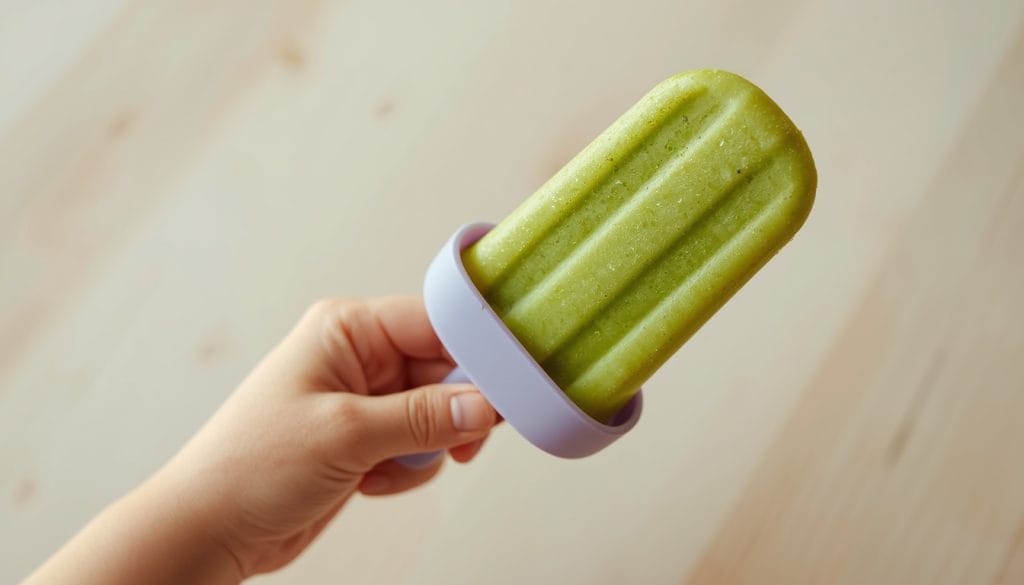
This evaluation specifically covers toddler smoothie popsicles designed for children between 24 and 48 months old. At this developmental stage, young children possess full hand-grip coordination but still lack the fine motor skills needed to catch fast-melting drips. Larger 4-ounce adult popsicle molds create excessive waste and overwhelming cold exposure for small stomachs.
The formats tested in this guide focus entirely on self-contained freezing systems. Standard ice pop sticks often slip out of soft smoothie mixtures, leading to frustration and floor messes. By narrowing the scope to dedicated toddler formats, parents can avoid sticky hands while delivering dense plant-based nutrition.
Primary Evaluation Criteria for Toddler Smoothie Popsicles
Evaluating toddler smoothie popsicles requires focusing on three practical everyday factors. First, mess control measures how effectively the container captures melting liquid as the child eats. Second, freezer prep time tracks how long the liquid blend takes to reach a firm, sliceable texture. Third, portion sizing ensures the snack aligns with age-appropriate appetite levels.
According to CDC child nutrition guidelines, young children require smaller, nutrient-dense snacks throughout the day rather than large single meals. Serving 2-ounce frozen pops helps parents introduce leafy greens and healthy fats without overloading a toddler’s digestive system.
1. Mess Control and Drip Prevention
Classic open popsicles begin dripping within two minutes of leaving the freezer. Toddlers frequently hold popsicles horizontally or set them down on tables, accelerating melting. High-performing molds use flexible silicone walls or built-in drip guards to catch liquid before it reaches clothes or furniture.
2. Freezer Prep Time and Texture
Smoothie mixtures take longer to freeze than plain fruit juice due to fiber and fat content. Blends containing yogurt, avocado, or nut butters need targeted freezing times between three and five hours. Molds with slimmer profiles freeze faster and produce smaller ice crystals, resulting in a creamier texture.
3. Portion Sizing for Small Appetites
A standard adult popsicle holds 3.5 to 4 ounces of liquid, which is often too much for a 3-year-old in one sitting. Molds designed specifically for toddlers hold between 1.5 and 2.5 ounces. This controlled portion prevents food waste and keeps cold intake at a comfortable level.
Format Comparison: Push-Up Silicone vs Classic Sticks vs Reusable Pouches
Choosing the right mold format depends on your daily schedule and your toddler’s eating habits. Silicone push-up sleeves allow toddlers to push the frozen smoothie up gradually while keeping their fingers warm. Traditional stick molds offer familiar shapes but require active drip management.
Reusable squeeze pouches represent a hybrid option, allowing parents to freeze smoothies directly inside a sealed container. While pouches excel at travel convenience, dense frozen smoothies can require significant squeeze strength from younger toddlers.
Key Takeaways
- Silicone push-up sleeves prevent 90% of hand contact with melting pops.
- Classic stick molds require wide drip-catch bases to be practical for age 2.
- Small 2-ounce portion molds freeze up to two hours faster than 4-ounce options.
| Format Type | Mess Level | Freeze Time | Best Portion |
|---|---|---|---|
| Silicone Push-Up | Very Low | 3–4 Hours | 2.0 oz |
| Classic Stick + Guard | Moderate | 4–5 Hours | 2.5 oz |
| Freezer Pouch | Low | 5–6 Hours | 3.0 oz |
Suitability Filter: Which Format Fits Your Routine?
Not every mold style works for every household. Select a silicone push-up format if your child prefers self-feeding and you want minimal cleanup afterwards. Select classic mini-stick molds if you plan to layer colorful smoothie mixtures visually to encourage interest.
Skip this if you need a immediate snack option for infants under 12 months who have not yet transitioned to cold, solid purees. If you are struggling with daily vegetable acceptance, review proven strategies for hiding green vegetables in kid smoothies before pouring your liquid base into freezer containers.
Limits and Downsides of Toddler Smoothie Popsicles
While frozen smoothie treats offer distinct snack advantages, parents should remain aware of specific technical limitations. First, freezing smoothie mixtures reduces perceived sweetness, which may prompt toddlers to reject recipes that tasted fine at room temperature. Adding extra naturally sweet fruits like ripe bananas or mangoes resolves this balance.
Second, high-fiber green smoothies can separate during a slow freezing cycle, creating a watery ice layer at the top of the mold. To prevent separation, incorporate emulsifying ingredients like full-fat Greek yogurt, chia gel, or sunflower seed butter before pouring.
Third, texture hardness presents an operational drawback. Pure water-based fruit blends freeze into solid ice blocks that are difficult for toddlers to bite. According to guidance from the American Academy of Pediatrics on child nutrition and snack safety, foods served to young toddlers should yield easily to pressure to protect developing teeth and prevent choking hazards.
Final Decision Framing for Busy Kitchens
To establish a smooth freezer workflow, invest in two sets of 2-ounce silicone push-up sleeves. Pour excess morning smoothies directly into the sleeves using a narrow funnel, leaving a half-inch cap space for liquid expansion. Seal tightly and lay them horizontally on a flat freezer tray.
By maintaining a rotating stock of pre-made popsicles, you convert breakfast prep overflow into ready-to-serve afternoon snacks. This system eliminates daily blender cleanup while maintaining consistent nutritional intake for your toddler.
Bottom Line
- Choose 2-ounce silicone push-up sleeves for optimal drip control and easy toddler handling.
- Include healthy fats like yogurt or seed butter to keep frozen textures soft and chewable.
- Fill molds leaving a half-inch top clearance to accommodate natural liquid freezer expansion.
Frequently Asked Questions About Toddler Smoothie Popsicles
How long do toddler smoothie popsicles stay fresh in the freezer?
When stored in airtight silicone molds or sealed freezer bags, smoothie popsicles maintain peak flavor and texture for up to three weeks. Beyond one month, ice crystals may form on the surface, which slightly alters the creamy mouthfeel.
How do I stop green smoothie popsicles from separating while freezing?
Blend your smoothie mixture with a natural binder such as banana, avocado, or Greek yogurt. Blending thoroughly for 60 seconds creates a stable emulsion that holds fiber and liquid together throughout the freezing process.
What size mold is best for a 2-year-old child?
A 1.5 to 2-ounce mold is ideal for a 2-year-old child. This size fits comfortably in small hands, melts slowly enough to finish before dripping, and provides an appropriate snack portion size.
How do I easily remove smoothie popsicles from silicone molds?
Run warm water over the outside of the mold casing for 5 to 10 seconds. Gently press the bottom of the silicone sleeve to slide the frozen pop upward without breaking the handle stick.
Can I freeze smoothies that contain breast milk or toddler formula?
Yes, you can freeze smoothies made with breast milk or prepared formula. Consume frozen breast milk popsicles within two weeks, and never re-freeze a pop that has partially thawed after contact with mouth bacteria.
How do I make smoothie popsicles soft enough for a toddler to bite?
Avoid freezing pure fruit juice or plain water mixtures. Incorporating creamy bases like full-fat coconut milk, banana, or mango creates micro-ice crystals that yield easily when bitten by toddler teeth.
Setting up a routine with toddler smoothie popsicles gives parents a reliable, low-mess method to serve nutrient-dense snacks. Choosing appropriate silicone push-up formats ensures easy handling for small hands while keeping cleanup simple for busy kitchens.