
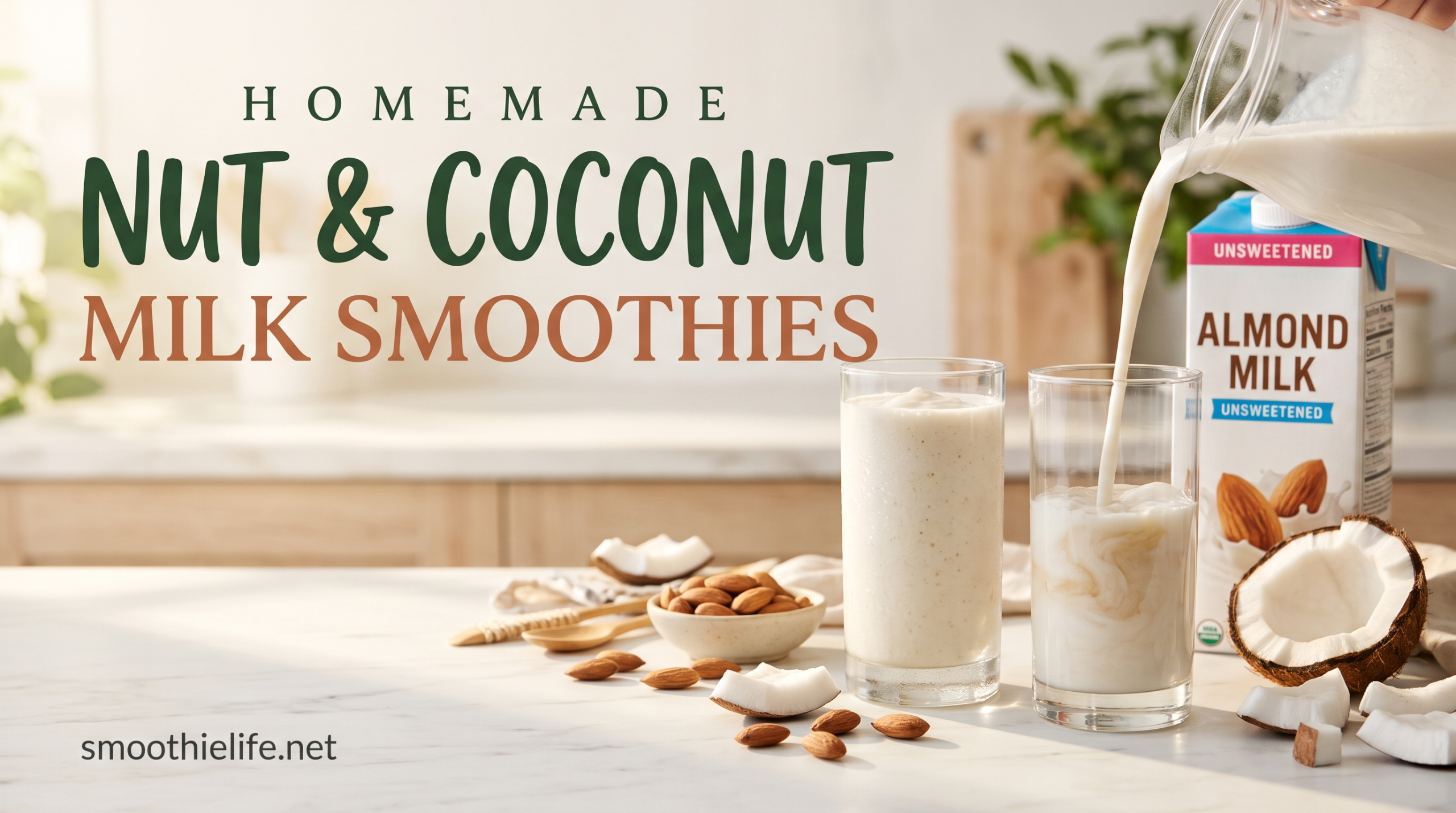
Almond vs Coconut Milk Keto: Net Carb Label Guide
When following a strict ketogenic diet, choosing between unsweetened almond milk and unsweetened coconut milk comes down to net carbs, fat density, and hidden carton additives. Pure unsweetened almond milk offers less than 1 gram of net carbs per cup, while unsweetened carton coconut milk contains roughly 1 gram of net carbs alongside higher medium-chain triglycerides (MCTs). Both fit within a daily 20 to 50 gram carb limit, but added cane sugar, tapioca starch, and flavorings can quickly shift either option into non-keto territory.
Quick Summary
- Unsweetened almond milk contains ~1g gross carbs and 0.5g–1g net carbs per 8 oz cup, making it the lightest low-calorie base.
- Unsweetened carton coconut milk provides ~1g net carbs with 4g–5g of healthy fats, offering a creamier texture for low-carb drinks.
- Full-fat canned coconut milk delivers 2g–3g net carbs per 1/3 cup serving but adds significant calories and thick texture from natural fats.
- Hidden thickeners like tapioca starch, cane sugar, and condensed cane juice are the primary reasons plant milks fail keto standards.

What Makes Plant Milks Keto-Friendly?
A plant-based milk qualifies as keto-friendly when its total carbohydrates minus dietary fiber yield a net carbohydrate count low enough to preserve metabolic ketosis. Most adults aiming for ketosis restrict net carbs to under 20 to 30 grams per day. Choosing a liquid base that consumes less than 5% of that budget is essential for long-term consistency.
Dairy milk naturally contains lactose, a natural sugar that delivers roughly 12 grams of net carbs per cup. This makes cow milk unsuitable for standard keto meal plans. Unsweetened nut and seed milks replace lactose with filtered water and small amounts of ground nuts, yielding a liquid that maintains low glucose impact.
However, the label term ‘original’ does not mean unsweetened. Many commercially produced plant milks labeled ‘original’ contain added cane sugar or rice starch to soften the nutty taste. Always check the nutrition facts panel specifically for zero added sugars and low total carbohydrates.
Almond Milk on Keto: Net Carbs and Nutrition Profile
Unsweetened almond milk is created by blending soaked almonds with filtered water and straining away the coarse pulp. The remaining liquid is light, clean, and extremely low in digestible carbohydrates. According to verified food composition data from the USDA FoodData Central database, an 8-ounce serving of commercial unsweetened almond milk yields approximately 1.4 grams of total carbohydrates and 1.0 gram of dietary fiber.
This results in roughly 0.4 to 0.6 grams of net carbs per single-cup serving. The low calorie count—typically 30 to 35 calories per cup—makes almond milk ideal for keto followers who want to save their daily calorie allocation for whole foods like avocado, seeds, and nut butters.
The primary trade-off with commercial almond milk is its thin body and low fat content. Because it contains only 2.5 to 3 grams of fat per serving, it will not significantly boost ketone production on its own. For low-carb smoothie recipes, pairing almond milk with rich fats ensures a satisfying, thick texture.
Coconut Milk on Keto: Carton vs Canned Net Carbs
Coconut milk comes in two distinct packaged formats: refrigerated cartons and pantry-shelf canned options. Both originate from coconut meat processed with water, but their liquid-to-fat ratios and net carb profiles differ substantially.
Refrigerated unsweetened carton coconut milk is diluted to mimic the fluid viscosity of traditional milk. An 8-ounce cup delivers about 1 gram of net carbs, 45 calories, and 4.5 grams of saturated fat. Research compiled by Harvard T.H. Chan School of Public Health nutrition resources notes that coconut fats contain high proportions of medium-chain fatty acids, which digest rapidly and convert efficiently into ketones in the liver.
Canned full-fat coconut milk is far denser and less diluted. A standard 1/3 cup serving supplies 3 grams of total carbs, 1 gram of fiber (2 grams net carbs), and 14 grams of fat. It acts as a heavy cream alternative rather than a beverage base. Using canned coconut milk requires careful portioning so its higher net carb total does not sneak up on your daily limit.
Key Takeaways
- Unsweetened almond milk is best for lightweight, low-calorie keto smoothies.
- Carton coconut milk adds moderate fats and subtle tropical flavor without heavy carb loads.
- Canned coconut milk serves as a ultra-rich cream replacement with higher net carbs per volume.
- Checking the ingredients list for starches is more reliable than relying on front-of-carton claims.
| Milk Type (Unsweetened) | Serving Size | Net Carbs | Fat | Best Use Case |
|---|---|---|---|---|
| Carton Almond Milk | 1 cup (240ml) | 0.5g | 2.5g | Daily protein shakes, light base |
| Carton Coconut Milk | 1 cup (240ml) | 1.0g | 4.5g | Creamy beverages, intermediate fat |
| Canned Full-Fat Coconut | 1/3 cup (80ml) | 2.0g | 14.0g | Thick meal replacement smoothies |
Hidden Ingredients That Shift Milk from Keto to Non-Keto
The single most common mistake on a ketogenic diet is assuming all plant milks in the dairy aisle share clean nutrition panels. Manufacturers routinely rely on subtle text cues and secondary ingredients that increase glycemic impact.
Front labels proclaiming ‘Made with Real Fruit’ or ‘Original Flavor’ frequently mask added sugars. Ingredients like agave nectar, coconut sugar, evaporated cane juice, and honey represent simple sugars that instantly kick you out of nutritional ketosis.
Thickeners and stabilizers can also introduce hidden carbohydrates. Ingredients like tapioca starch, rice starch, and gellan gum are added to give thin plant milks a creamy mouthfeel. While gums in tiny amounts contribute minimal carbs, starch additives increase digestible carbohydrate counts significantly over a full glass.
Flavor and Texture in Keto Smoothies: Which One Wins?
Choosing between almond and coconut milk transforms the culinary profile of low-carb blender drinks. Almond milk carries a faint, neutral, nutty note that allows greens, cocoa powder, and espresso to dominate the taste profile without interference.
Coconut milk delivers a tropical, slightly sweet aromatic presence alongside a richer texture. When blended with frozen avocados or ice, carton coconut milk creates a luscious velvet consistency without needing heavy dairy cream. Understanding these subtle differences is key to mastering keto smoothies guide techniques for maintaining daily carb limits.
If you prefer a balanced approach, mixing equal parts unsweetened almond milk and unsweetened carton coconut milk yields an ideal balance: neutral flavor, moderate healthy fats, and less than 1 gram of total net carbs per cup.
What We Like
- Almond milk offers ultra-low calories and under 0.5g net carbs per cup.
- Coconut milk brings fast-digesting MCT fats that support energy during early ketosis.
- Both milks pair exceptionally well with plant-based keto protein powders.
Keep in Mind
- Almond milk can yield thin, watery textures if no thickener like chia or avocado is added.
- Canned coconut milk solidifies when cold and requires thorough shaking or warm blending.

How to Read the Nutrition Label for Hidden Sugars
Navigating carton nutrition panels requires reading past the marketing claims on the front box. Turn the carton directly to the back and check three specific areas before purchasing.
First, inspect the ‘Total Carbohydrates’ and ‘Dietary Fiber’ lines. Calculate net carbs by subtracting fiber from total carbs. If total carbs read 7g and fiber reads 1g, that milk contains 6g of net carbs—far too high for a standard keto beverage base.
Second, verify that ‘Includes Added Sugars’ reads strictly 0g. Even 2 or 3 grams of added sugar per cup will spark insulin spikes that halt fat oxidation. Third, examine the ingredient list for any word ending in ‘-ose’, starch powders, or concentrated syrups.
Final Decision: Which Milk Should You Choose for Your Ketogenic Goal?
Your ideal plant milk depends directly on your personal calorie target and fat requirements for the day. If your primary goal is rapid weight loss with low overall calorie intake, unsweetened almond milk provides the lowest calorie footprint while keeping net carbs near zero.
If your priority is high-fat energy maintenance, satiety, and effortless ketone production, unsweetened coconut milk—either carton or diluted canned—delivers superior medium-chain fatty acids with minimal carb overhead.
For optimal results in the kitchen, keep both on hand. Use almond milk for daily protein shakes and light morning drinks, and reserve coconut milk for rich dessert bowls and post-workout fuel.
Bottom Line
- Select unsweetened almond milk for minimal calories and under 1g net carbs per serving.
- Pick unsweetened coconut milk when you need natural MCT fats to boost satiety and texture.
- Always reject cartons listing added sugars, cane syrup, or tapioca starch in the ingredients.
Frequently Asked Questions
Is unsweetened almond milk strictly keto-friendly?
Yes. Unsweetened almond milk contains less than 1 gram of net carbs per 8-ounce cup, making it one of the safest liquid bases for strict keto meal plans.
Does carton coconut milk break ketosis?
Unsweetened carton coconut milk will not break ketosis. It supplies roughly 1 gram of net carbs per cup alongside healthy saturated fats that support ketone generation.
Why does my almond milk carton show 7 grams of carbs?
If your carton shows 7 grams of carbohydrates, you purchased an ‘Original’ or sweetened version containing added cane sugar. Look strictly for cartons explicitly labeled ‘Unsweetened’.
Can I drink canned coconut milk directly on keto?
Canned coconut milk is very thick and energy-dense (around 450 calories and 6g net carbs per cup). It should be diluted with water or used in small measured portions rather than consumed straight.
Are emulsifiers like gellan gum harmful for keto metabolism?
Emulsifiers like gellan gum or sunflower lecithin do not impact blood glucose or ketone levels. However, people with sensitive digestion may prefer additive-free or homemade nut milks.
Which milk is better for keto smoothie bowl thickness?
Full-fat canned coconut milk creates significantly thicker, creamier smoothie bowls due to its high fat density compared to liquid almond milk.