Creamy Keto Smoothie Fat Source Test: Avocado vs Cream vs Coconut
A high-fat, low-carb diet often struggles with beverage texture because fruits containing natural starches are excluded. Achieving a velvety, thick emulsion in a creamy keto smoothie depends almost entirely on the specific fat source selected for the blending base. Many recipes rely on heavy whipping cream, while others favor plant-based options like frozen avocado or full-fat canned coconut cream. However, these ingredients perform differently in terms of viscosity, net carb count, and physical stability over time.
To determine the most balanced foundation for daily blending, we evaluated three popular fats in an identical 12-ounce unsweetened almond milk base. Each variation was blended using standardized blender settings, measured for macro profiles, and subjected to a 10-minute bench test to monitor phase separation and mouthfeel decay. Here is how each fat source performs when building a satisfying, stable drink.
Quick Summary
- Frozen avocado creates the thickest emulsion with zero separation after 10 minutes, adding significant dietary fiber.
- Heavy whipping cream produces a traditional milkshake mouthfeel with the lowest net carbs, but separates slightly if allowed to sit.
- Full-fat coconut cream offers a luxurious texture with a mild tropical flavor, landing in the middle for both carbs and stability.
Narrow Scope Declaration: Testing the 12-Ounce Base
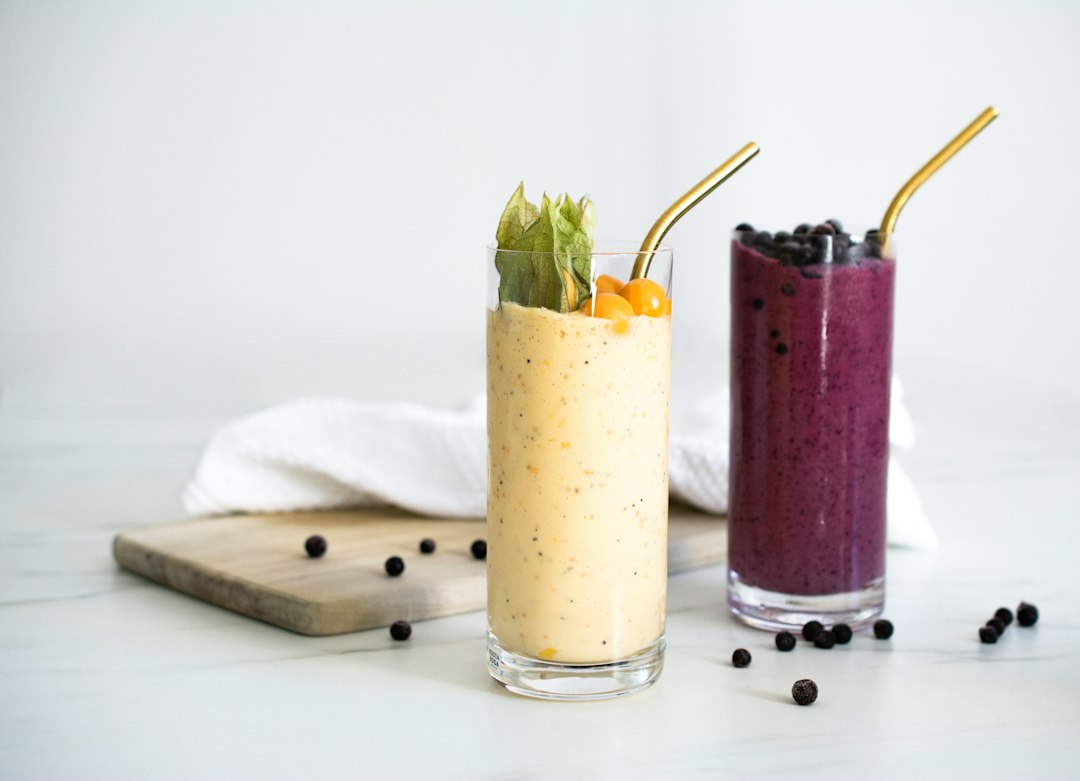
This evaluation focuses strictly on the structural fat component of a non-fruit keto drink base. The test environment isolated the fat source by keeping all other variables strictly uniform across three test batches. Each batch utilized 1 cup (8 fluid ounces) of refrigerated unsweetened almond milk, 4 ounces of crushed ice, a pinch of fine sea salt, and 4 drops of liquid stevia extract.
We tested three distinct fat inputs scaled to yield approximately 15 to 20 grams of total fat per serving. Batch A used 75 grams of frozen diced avocado. Batch B used 45 milliliters (3 tablespoons) of pasteurized heavy whipping cream. Batch C used 60 grams (1/4 cup) of well-stirred canned full-fat coconut cream. No added gums, commercial protein powders, or secondary thickeners were introduced during blending.
How We Measured Creaminess, Net Carbs, and Separation
Assessing smoothie performance requires looking beyond initial appearance right after blending. We evaluated three primary operational metrics to help you choose the right base for your morning routine or meal prep habit.
First, we evaluated initial viscosity and mouthfeel immediately upon pouring into a glass. We checked for smoothness, coating ability, and the presence of micro-air bubbles. Second, net carb profiles were calculated using standard nutrition data to ensure strict keto alignment. Third, each glass was left untouched at room temperature for 10 minutes to record phase separation, water pooling, or foam breakdown.
Evaluating the Fat Sources in a Creamy Keto Smoothie Base
Selecting the right ingredient alters both the macro distribution and the physical drinking experience. Each fat brings unique physical properties to the blending container.
Option 1: Frozen Avocado for Fiber-Rich Thickening
Frozen avocado acts as both a fat source and a structural matrix due to its high insoluble fiber content. When blended with cold liquids, the cell walls break down to form a smooth suspended cream that resists melting or thinning. In our bench test, the avocado-based creamy keto smoothie retained 100% of its initial emulsion after 10 minutes, showing zero liquid separation at the bottom of the glass.
Taste-wise, avocado provides a neutral profile that easily absorbs cacao, vanilla, or nut butter additions. The trade-off comes in total carbohydrate burden. While most of the carbohydrate content consists of dietary fiber, 75 grams of avocado contributes roughly 1.5 grams of net carbs per serving.
Option 2: Heavy Whipping Cream for Classic Milkshake Texture
Heavy whipping cream creates an immediate, familiar dairy richness. The high milk-fat content whips slightly during the blending cycle, incorporating microscopic air pockets that yield a light, velvety surface. This option delivered the lowest carbohydrate count in our test, adding less than 1 gram of net carbs for the 3-tablespoon allocation.
However, dairy fat lacks insoluble fiber, meaning it relies entirely on fat-in-water emulsion. During the 10-minute bench test, Batch B exhibited minor liquid separation, with a thin watery layer settling at the bottom. Stirring restored the texture instantly, but it makes this base less ideal for slow sipping or meal prep storage.
Option 3: Canned Coconut Cream for Dairy-Free Body
Full-fat canned coconut cream provides a dense vegetable-fat option rich in medium-chain triglycerides. It yields a smooth, rich body with a distinct, subtle coconut aroma. In our testing, coconut cream produced a luxurious coating on the glass, standing up well during the first 5 minutes of resting.
By minute 10, minor separation appeared at the base of the glass as the ice melted and diluted the emulsion. Coconut cream adds roughly 2 grams of net carbs per 1/4-cup portion, making it slightly higher in net carbs than heavy cream while remaining strictly keto-compliant.
Key Takeaways
- Avocado provides the highest physical stability and fiber, making it the top choice for meal-prepped drinks.
- Heavy whipping cream delivers the lowest net carb impact and a classic dairy flavor profile.
- Coconut cream is the best dairy-free alternative for immediate consumption with a rich body.
| Fat Source | Serving Size | Net Carbs | 10-Min Stability | Primary Mouthfeel |
|---|---|---|---|---|
| Frozen Avocado | 75g (1/2 cup) | ~1.5g | Excellent (No separation) | Ultra-thick, spoonable body |
| Heavy Whipping Cream | 45ml (3 tbsp) | ~0.8g | Fair (Minor separation) | Silky, light milkshake feel |
| Full-Fat Coconut Cream | 60g (1/4 cup) | ~2.0g | Good (Slight separation) | Dense, tropical richness |
Matching Your Macro Goals to the Right Fat Base
Choosing the best fat source depends on your personal daily nutritional priorities and lifestyle constraints. If your main goal is staying as close to zero net carbs as possible, heavy whipping cream is the clear winner for a creamy keto smoothie base.
If you follow a plant-based or dairy-free keto protocol, coconut cream and avocado are your primary choices. For those using drinks as breakfasts on the go, avocado is superior because its dietary fiber keeps the mixture unified even in a travel tumbler. You can verify verified nutritional breakdowns via the official USDA FoodData Central nutrient database when calculating exact macro allowances for your specific ingredient brands.
Why Keto Smoothies Separate and How to Fix It
Phase separation occurs when ice melts into water while lighter fats float to the top of the container. Without the soluble starches found in high-carb ingredients like bananas or oats, low-carb beverages naturally tend to un-emulsify over time.
Temperature control is key to preventing this decay. Using frozen fat sources, such as pre-frozen avocado cubes, keeps the blending temperature lower for longer. Lower temperatures slow down ice melting and preserve the emulsion structure. Adding a tiny binder, such as 1/4 teaspoon of xanthan gum or sunflower lecithin, can also physically bridge the gap between fat and water molecules.
The Base Creamy Keto Smoothie Recipe
Here is a balanced recipe template using our top-performing stability fat source. It provides a reliable foundation that you can customize with sugar-free flavor extracts or keto protein powders.
- 1 cup unsweetened almond milk or coconut milk beverage
- 75g frozen avocado cubes
- 1 tbsp plain unsweetened almond butter
- 1/2 cup crushed ice
- 4-5 drops liquid stevia or monk fruit extract
- 1 pinch fine pink Himalayan salt
Combine all ingredients in your blender jar in the order listed. Blend on medium-high speed for 45 to 60 seconds until completely smooth and free of ice crystals. Pour into a chilled glass and enjoy immediately.
One Small Twist That Makes It Taste Better
Adding a pinch of salt is standard, but pairing it with 1/2 teaspoon of pure vanilla extract and a dash of ground cinnamon completely transforms the flavor depth. Salt suppresses subtle vegetable bitterness from the avocado, while vanilla tricks the palate into perceiving sweetness without adding extra carbohydrates or sugar alcohols.
Understanding dietary fat sources is an essential component of healthy meal planning. As detailed in resources from the Harvard T.H. Chan School of Public Health research on healthy fats, incorporating unsaturated plant fats alongside saturated fats provides a balanced fatty acid profile for long-term health maintenance.
Choosing Your Daily Keto Blender Base
To optimize your routine, match the fat source to your schedule. Use heavy whipping cream on mornings when you want a quick, low-carb treat to drink immediately. Keep frozen avocado in your freezer for busy workdays when your drink needs to sit at your desk for 20 minutes without separating.
By understanding how these fats perform under real kitchen conditions, you can build low-carb beverages that maintain their rich texture without relying on hidden sugars or artificial fillers.
Bottom Line
- Avocado wins for long-lasting texture stability and added dietary fiber.
- Heavy cream wins for absolute minimum net carb impact and traditional milkshake taste.
- Coconut cream offers a rich, dairy-free alternative best consumed right after blending.
Frequently Asked Questions
How many net carbs are in a typical creamy keto smoothie?
A standard 12-ounce low-carb drink made with unsweetened almond milk and a pure fat base typically ranges between 1 and 3 grams of net carbs. Total carbohydrates increase if you add protein powders, cocoa, or nut butters.
Can I use coconut oil instead of coconut cream?
Yes, but coconut oil hardens into small waxy grains when exposed to cold ice. To prevent this, blend the oil with room-temperature liquid first before adding ice, or use liquid MCT oil instead.
Why is my keto drink too thin?
Low-carb drinks lack natural fruit starches. To thicken them without carbs, add frozen avocado, 1/4 teaspoon of xanthan gum, or a scoop of unflavored collagen peptides before blending.
Is heavy cream better than coconut cream for keto?
Heavy cream contains slightly fewer net carbs per serving (~0.8g vs ~2g per serving) and has a more neutral dairy flavor. Coconut cream is preferred if you need a dairy-free option.
How long can I store a blended keto drink in the fridge?
Avocado-based drinks keep well in a sealed jar for up to 24 hours with minimal separation. Dairy or coconut cream bases will separate within an hour and require vigorous shaking before drinking.
Can I freeze keto smoothie portions in advance?
Yes. You can freeze avocado, liquid base, and flavorings into silicone freezer trays. Blend the frozen cubes with a splash of almond milk when ready to serve.