Smoothie Bowl vs Drinkable Smoothie: Satiety Science & Weight Loss Impact
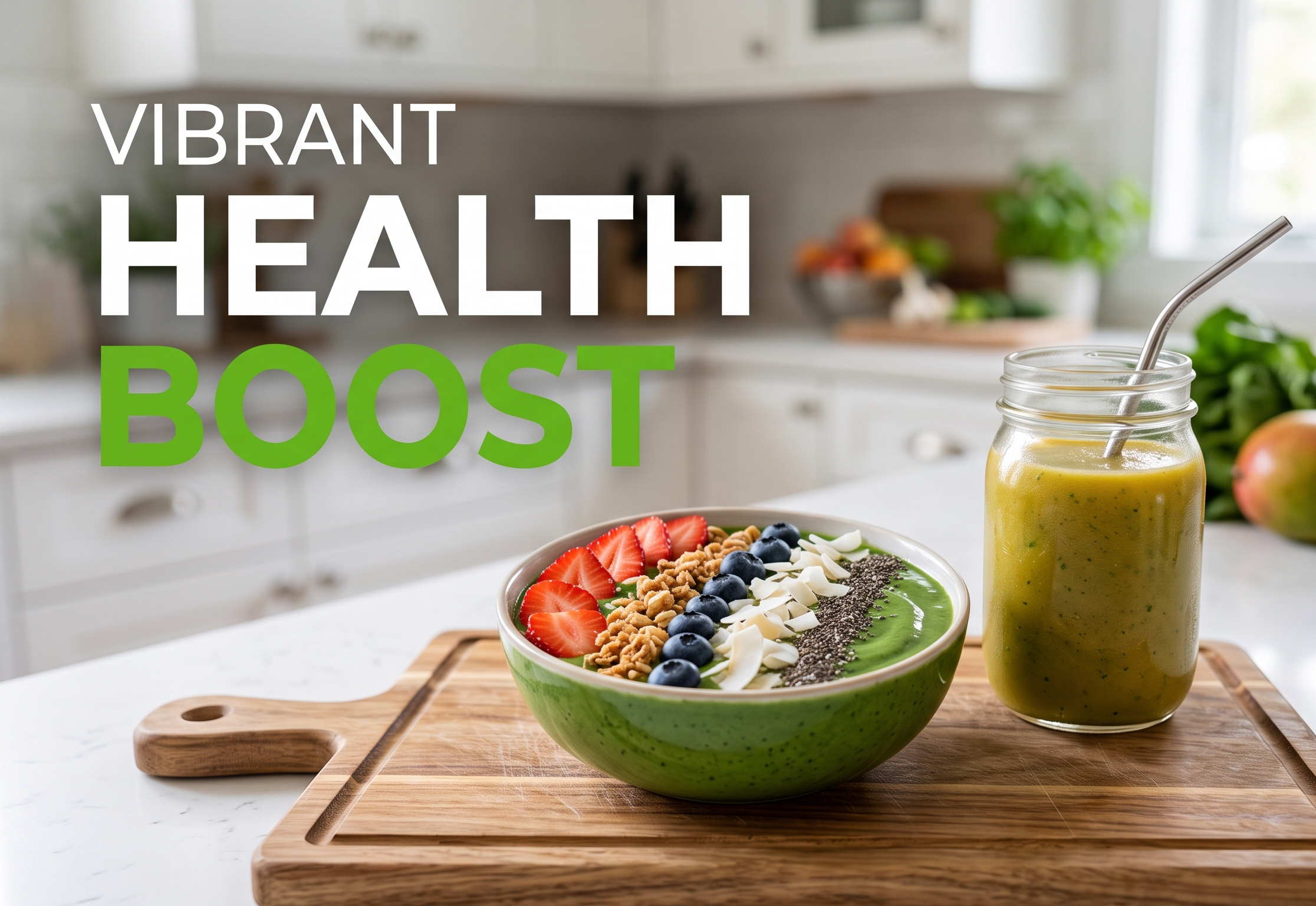
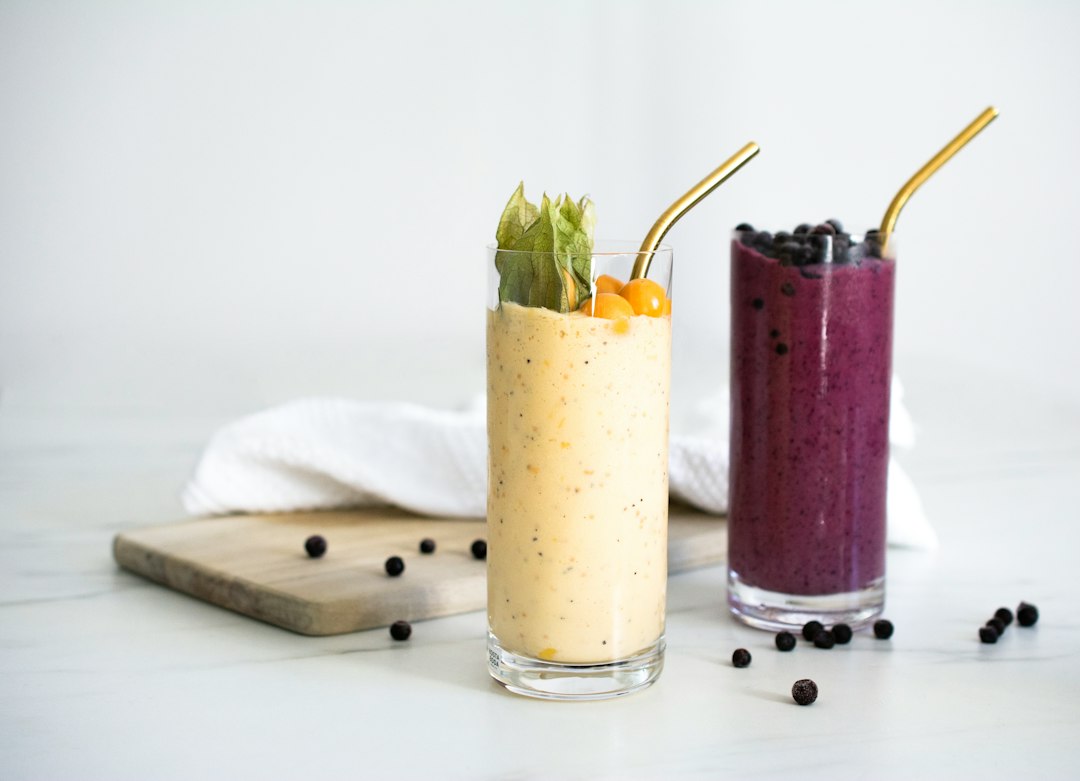
A smoothie bowl vs drinkable smoothie debate usually comes down to preference, but satiety science shows they affect your body differently. While both deliver identical nutrients if made with the same ingredients, a smoothie bowl significantly boosts fullness through longer chew times and altered gastric emptying rates. Drinkable smoothies offer fast convenience but may leave you feeling hungry sooner due to rapid intake.
If your primary goal is managing hunger during weight loss, choosing the right format matters just as much as what goes into your blender. In this guide, we break down the mechanical, physiological, and volume differences that govern how each option keeps you full.
Scope of This Comparison
This article evaluates smoothie bowls and drinkable smoothies strictly through the lens of satiety mechanisms, including mastication time, oral sensory transit, gastric emptying speed, and perceived volume. It does not address high-calorie dessert bowls topped with processed candy, nor does it cover commercial bottled juices stripped of dietary fiber. We assume both formats use whole-food ingredients, adequate protein, and balanced healthy fats.
Quick Summary
- Mastication triggers early cephalic-phase satiety signals, making smoothie bowls naturally more filling.
- Liquid meals pass through the stomach faster than thick spoonable mixtures, leading to quicker hunger return.
- Spoonable bowls encourage slower eating rates, which aligns better with natural brain fullness cues.
Evaluation Criteria: How Satiety Is Tested
To understand satiety differences, scientists look at three primary physiological triggers: oral processing time, physical gastric distension, and hormonal response timing. Mastication, or chewing, sends early signals to the brain that food is arriving, initiating release of satiety hormones like GLP-1 and PYY.
Gastric emptying rate determines how long food remains in the stomach to maintain physical fullness. Drinkable liquids bypass extended mouth processing and clear the stomach faster than thick solids. Finally, visual and sensory volume perception creates psychological expectations of satiety, influencing how long you feel satisfied after eating.
Comparison: Satiety Breakdown
Comparing these two formats side-by-side reveals clear trade-offs between physical satiety duration and daily operational convenience. While ingredients can be mathematically identical, the physical structure alters digestive dynamics.
Key Takeaways
- Smoothie bowls require 10 to 15 minutes to consume, enhancing satiety signal registration.
- Drinkable smoothies are typically consumed in 2 to 5 minutes, reducing oral sensory exposure.
- Thicker textures slow down stomach emptying and delay post-meal hunger spikes.
| Factor | Smoothie Bowl | Drinkable Smoothie |
|---|---|---|
| Eating Speed | Slow (Spoonable) | Fast (Sippable) |
| Mastication Requirement | High (Toppings + Thick base) | Minimal to None |
| Gastric Emptying Rate | Slower | Faster |
| Convenience & Mobility | Requires bowl, spoon, sitting | Portable cup, on-the-go |
Suitability Filter: Which Format Fits Your Routine?
Choosing between these options depends on your schedule, hunger control needs, and specific meal goals. Neither option is universally superior across all daily lifestyle contexts.
Choose a Smoothie Bowl If:
- You struggle with snack cravings 1 to 2 hours after breakfast.
- You have 15 minutes to sit down and enjoy a structured meal.
- You want to incorporate raw seeds, nuts, and textured toppings.
Choose a Drinkable Smoothie If:
- You need a fast, portable morning meal during a busy commute.
- You find heavy morning meals sit uncomfortably during workouts.
- You are focused on precise liquid portioning and quick cleanup.
Risks and Limitations
While smoothie bowls excel at satiety, they carry a hidden risk of accidental calorie surplus. Adding generous layers of nuts, granola, coconut flakes, and nut butters can easily add 300 to 500 extra calories to your meal without notice.
Conversely, drinkable smoothies present the risk of rapid drinking. Consuming 400 calories in under three minutes often bypasses brain satiety recognition, leaving you searching for solid food shortly after finishing your glass.
Final Decision Framing
If your priority is long-lasting fullness and weight management, the smoothie bowl provides a clear physiological advantage. The combination of chewing, slower intake, and visually substantial volume aligns perfectly with body signals that govern hunger control.
However, if time constraints prevent sitting down for a meal, a well-formulated drinkable smoothie remains far superior to skipping breakfast or grabbing processed convenience foods. Match the format to your daily rhythm while keeping ingredient portions intentional.
Bottom Line
- Opt for smoothie bowls when appetite control and maximum satiety are your top weight loss goals.
- Use drinkable smoothies for portable nutrition, but drink them slowly to improve fullness cues.
- Keep topping calories in check on bowls to maintain a consistent calorie deficit.
Frequently Asked Questions
Does chewing really increase fullness for liquid blends?
Yes. Mastication triggers cephalic-phase responses, signaling digestive enzyme release and promoting fullness hormones before food reaches the stomach.
Do smoothie bowls have more calories than drinkable smoothies?
Not inherently. Calorie count depends on ingredients, but bowl toppings frequently add unaccounted energy density compared to simple liquid blends.
Why do drinkable smoothies digest so quickly?
High-speed blending breaks plant cell walls and reduces particle size, allowing liquids to pass through the stomach faster than solid foods.
Can I make a drinkable smoothie more filling without changing calories?
Adding dietary fiber like chia seeds or psyllium husk thickens the blend, slowing down gastric transit without substantial calorie increases.
Is a smoothie bowl better for post-workout recovery?
Both supply identical amino acids and carbohydrates for recovery, but drinkable options digest faster, delivering nutrients quickly after training.
How can I slow down drinking a liquid smoothie?
Drink through a narrow straw, take deliberate pauses between sips, or sip alongside a glass of water to extend total consumption time.
Choosing the format that matches your daily routine ensures consistent nutrition without unnecessary hunger or routine friction. Focus on quality ingredients and eat mindfully regardless of whether you pick up a spoon or a straw.