Store Bought vs Freezing Your Own Fruit for Smoothies: Cost and Nutrition Guide
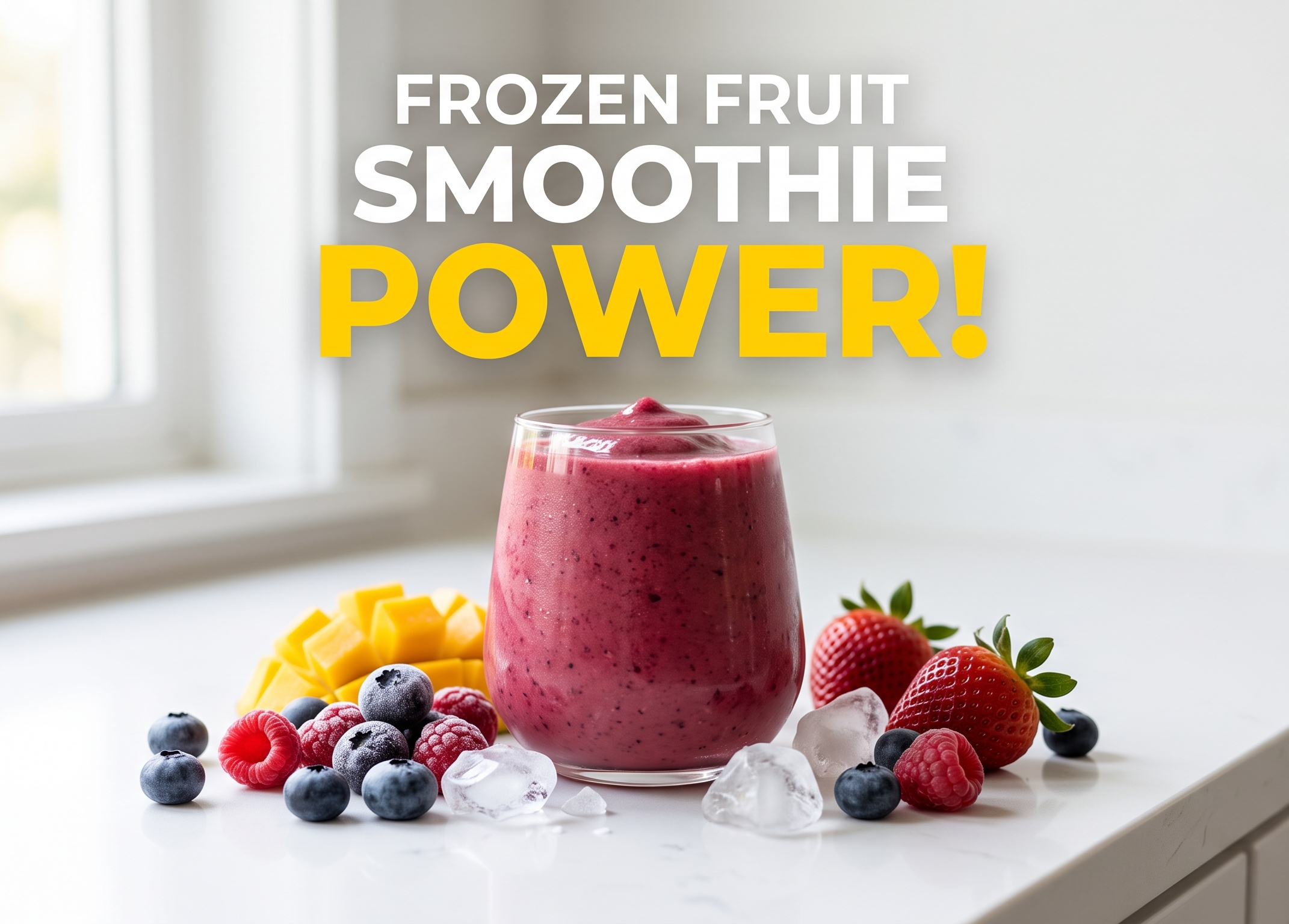
When deciding on store bought vs freezing your own fruit for smoothies, the choice comes down to cost efficiency, nutrient preservation, and prep time. Commercially flash-frozen fruit is processed within hours of harvesting, locking in vitamins and antioxidants at peak ripeness. Home batch freezing allows you to capitalize on peak seasonal sales, but home freezers freeze fruit slowly, forming larger ice crystals that affect liquid blending texture. Choosing the right method depends on your weekly smoothie volume, budget constraints, and freezer space.
Quick Summary
- Commercial flash-freezing locks in nutrients at peak harvest, often matching or surpassing fresh fruit that sits in transit.
- Batch freezing seasonal fresh fruit saves 20% to 40% on cost during local summer harvests, but requires careful tray-freezing steps.
- Store-bought flash-frozen bags prevent fruit clumping and reduce morning prep time to zero.
Narrow Scope Declaration
This comparison evaluates commercial store-bought flash-frozen fruit bags against buying raw fresh fruit to freeze at home specifically for daily smoothie preparation. We analyze per-ounce cost metrics, vitamin retention rates (primarily Vitamin C and polyphenols), texture variations during blending, and prep effort.
This article does not cover commercial smoothie shop supply chains, freeze-dried fruit powders, or long-term canning techniques. Our scope remains strictly focused on practical home kitchen routines for high-frequency smoothie drinkers.
Evaluation Criteria for Smoothie Fruit
To evaluate store bought vs freezing fruit objectively, four core factors determine overall value in daily routine:
- Nutritional Density: The percentage of heat-sensitive vitamins and antioxidants preserved from harvest to blender.
- Unit Economics: The actual cost per ounce after accounting for peel weight, core waste, and bulk sales.
- Texture and Blending Effort: How ice crystal formation during freezing impacts blade friction and final smoothie mouthfeel.
- Prep Labor & Shelf Life: Total active preparation minutes required versus storage durability before freezer burn sets in.
Store Bought vs Freezing Fruit: Direct Comparison
Commercially frozen fruit relies on industrial flash-freezing technology operating at temperatures around -40°F. This ultra-fast process freezes moisture almost instantaneously, creating tiny micro-crystals that preserve cellular structure. According to produce storage research published by Penn State Extension, rapid freezing minimizes cell wall damage, keeping fruit integrity intact when thawed or blended.
Home freezers operate at roughly 0°F. Because heat transfer is much slower at home, water molecules inside fresh fruit form large, jagged ice crystals. These large crystals puncture plant cell walls. When blended, home-frozen fruit releases more excess liquid, resulting in a softer texture that requires less liquid to process.
Key Takeaways
- Flash freezing preserves up to 90% of heat-sensitive Vitamin C compared to produce stored at room temperature for several days.
- Home freezing yields maximum savings during local harvest peaks for berries and stone fruit.
- Pre-frozen store bags offer year-round price stability for imported tropical fruits like mango and pineapple.
| Evaluation Factor | Store-Bought Flash-Frozen | Home Fresh Batch Freezing |
|---|---|---|
| Average Cost per Ounce | $0.25 – $0.45 / oz | $0.15 – $0.50 / oz (seasonal) |
| Vitamin C Preservation | High (frozen hours from field) | Variable (depends on age of fresh fruit) |
| Preparation Active Time | 0 minutes | 30–45 minutes per batch |
| Ice Crystal Size | Micro-crystals (smooth blend) | Larger crystals (thicker texture) |
What We Like
- Store-bought bags eliminate washing, peeling, and cutting labor entirely.
- Home freezing lets you preserve hyper-local organic berries at peak ripeness.
Keep in Mind
- Home-frozen fruit will freeze into a solid block if put directly into bags without tray pre-freezing.
- Out-of-season fresh store fruit is often expensive and chemically ripened during transit.
Suitability Filter: Which Method Fits Your Kitchen?
Choosing between commercial bags and home preparation comes down to your personal workflow and budget setup:
Buy Store-Bought Flash-Frozen Fruit If:
- You make smoothies during early morning rush hours and need zero prep steps.
- You frequently use tropical fruits like papaya, mango, or dragon fruit that are costly fresh.
- You have limited counter space for washing, cutting, and sheet-pan chilling.
Freeze Fresh Fruit at Home If:
- You have access to u-pick farms, local farmers markets, or deep seasonal grocery discounts.
- You prefer plastic-conscious storage using reusable silicone freezer containers.
- You want custom smoothie portion packs combined with leafy greens in advance.
Risks and Limitations
Home freezing carries specific quality trade-offs. Fresh produce purchased at standard supermarkets may already have spent 5 to 10 days in shipping transit, according to agricultural shipping guidelines from the U.S. Department of Agriculture. During this transport period, enzymatic activity degrades delicate water-soluble vitamins like folate and Vitamin C before the fruit even reaches your freezer.
Additionally, standard home freezer defrost cycles periodically warm internal air to prevent frost accumulation. This temperature fluctuation causes partial surface thawing on home-frozen fruit, leading to freezer burn and oxidation over 60 to 90 days. Store-bought commercial bags feature thick, light-blocking barrier films designed to reduce air penetration.
Final Decision Framing
For most smoothie enthusiasts, a strategic hybrid approach yields optimal convenience and financial savings. Relying on store-bought frozen bags for tropical staples establishes a dependable base, while batch-freezing local strawberries and blueberries during peak summer months cuts total grocery spend without sacrificing nutritional quality.
Bottom Line
- Use store-bought frozen fruit for effortless convenience and consistent year-round pricing.
- Freeze local fresh fruit in summer batches to capture peak flavor and maximum cost savings.
- Combine both methods to maintain a balanced, nutrient-dense smoothie routine without overspending.
Frequently Asked Questions
Is store-bought frozen fruit healthier than fresh fruit?
Store-bought frozen fruit is often more nutrient-dense than fresh store produce that has traveled long distances. Commercial flash-freezing locks in vitamins at peak harvest ripeness.
How do I stop home-frozen fruit from sticking together in a clump?
Freeze fruit slices in a single layer on a parchment-lined baking sheet for two hours first. Once solid, transfer the individual pieces into an airtight freezer container.
Does freezing destroy the fiber in fruit for smoothies?
No, freezing does not break down dietary fiber. Soluble and insoluble fibers remain fully intact during both commercial flash-freezing and standard home freezing process.
How long does home-frozen fruit last in the freezer for smoothies?
Home-frozen fruit maintains peak flavor and texture for 6 to 9 months when stored in airtight bags or vacuum-sealed containers at 0°F.
Do I need to wash store-bought frozen fruit before blending?
No, commercially packaged frozen fruit is pre-washed and sanitized prior to flash-freezing. You can pour it directly from the bag into your blender.
Why does my home-frozen fruit make smoothies watery?
Home freezers freeze fruit slowly, creating large ice crystals that breach cell walls. When blended, this released cellular liquid makes the smoothie texture looser.
Calm Closing
Balancing cost and convenience in your smoothie habit does not require an all-or-nothing approach. Whether you stock your freezer with convenient store-bought bags or harvest-season home batches, both methods deliver high-quality nutrition to power your morning routine.