
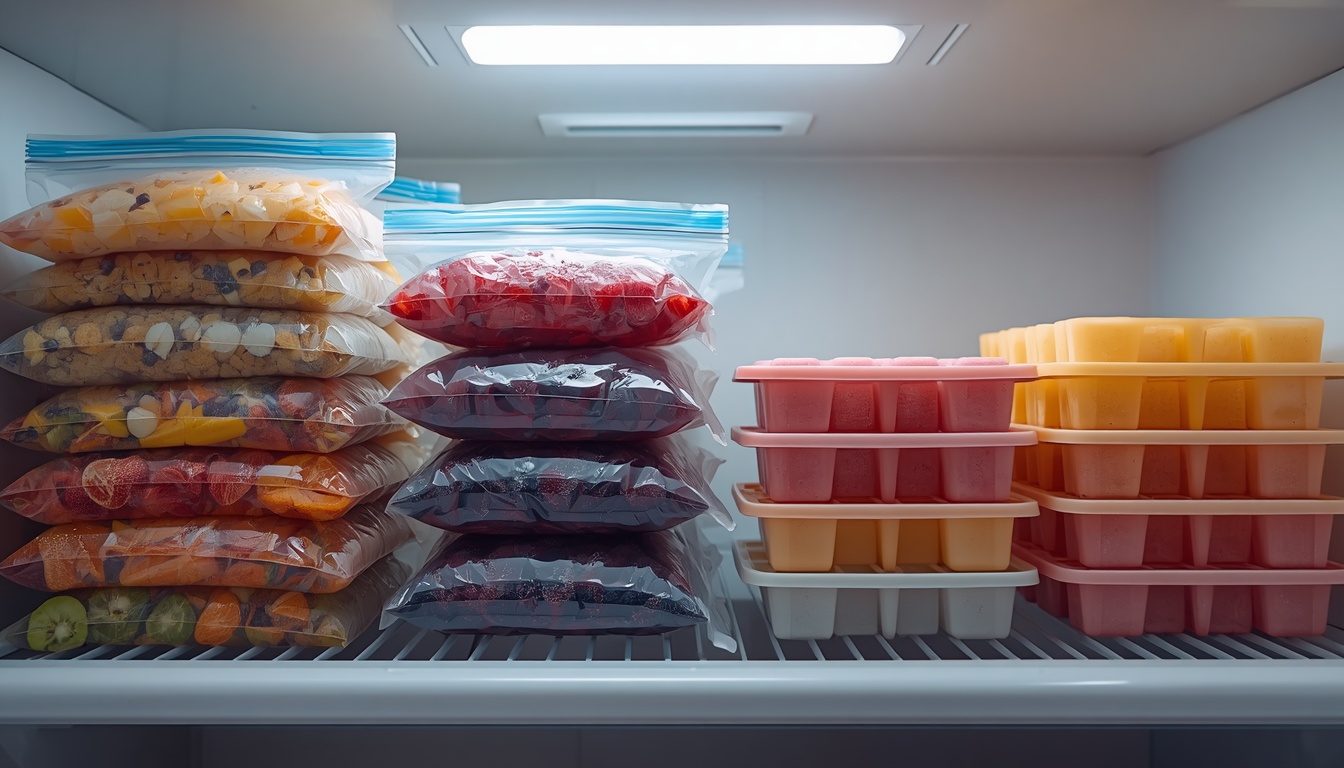
Freezer Bags vs Silicone Trays for Smoothie Prep: Storage, Freeze Burn, and Cleanup Compared
Freezer bags vs silicone trays comes down to batch sizing, freezer shape, and washing preferences. Single-use plastic freezer bags maximize awkward freezer space and offer superior seal tightness to prevent freezer burn during long storage. However, silicone frozen smoothie trays excel at uniform pre-portioned liquid and puree cubes, making daily morning blending faster and reducing plastic waste. If you prepare full ingredient packs containing kale, bananas, and berries in single pouches, plastic bags win. If you freeze liquid bases, yogurt, or greens purees into easy blendable blocks, silicone trays are far superior.
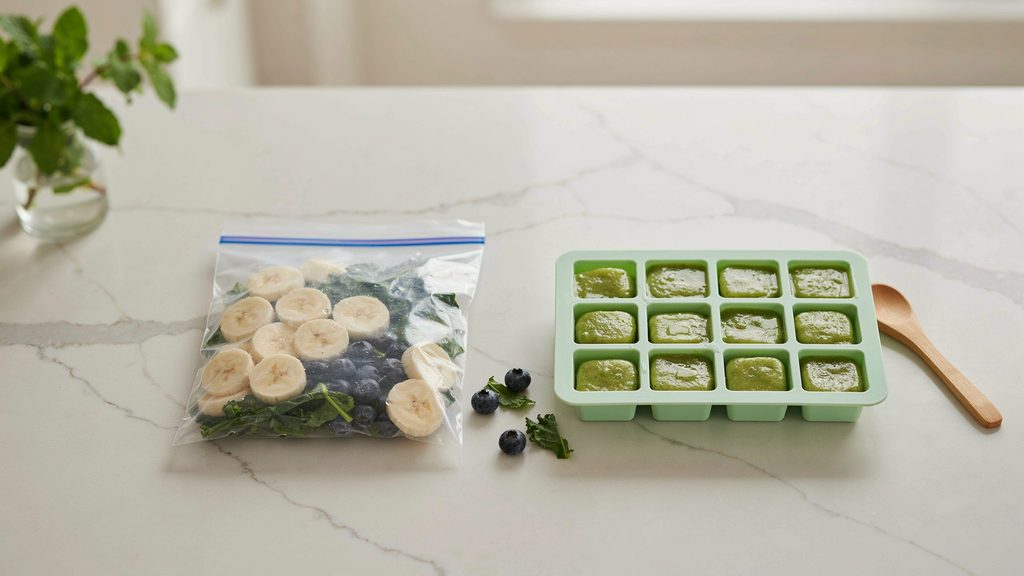
- Freezer bags fit packed dry ingredients and adapt to tight freezer shelves.
- Silicone trays mold liquid bases and purees into uniform blendable portions.
- A hybrid combination yields the lowest friction for busy morning routines.
Scope of This Smoothie Storage Evaluation
This evaluation covers pre-chopped produce, blended bases, and portion control for weekly home smoothie prep. It focuses specifically on storage efficiency, durability, freezer burn resistance, and washing effort over standard meal prep cycles. It does not evaluate commercial vacuum-sealer rolls or heavy glass meal containers.
Primary Evaluation Criteria for Smoothie Prep Storage
When choosing between storage tools, three physical factors govern performance in a real kitchen setting.
First, freezer burn resistance depends on air extraction. Plastic freezer zip bags allow you to manually press out excess air before sealing, creating an airtight atmosphere around frozen spinach, berries, and banana slices. Silicone trays leave top surface areas exposed to cold air unless covered with tightly fitting silicone lids or transferred after freezing.
Second, portioning speed dictates daily convenience. Silicone trays feature fixed-volume wells—typically 1-cup or 2-ounce compartments—that eliminate daily measuring cups. Bags require pre-measuring ingredients individually before packing each pouch.
Third, long-term durability and cleaning effort impact overall sustainability. Reusable silicone trays resist tearing, withstand high-temperature dishwasher cycles, and eliminate ongoing plastic repurchasing. Freezer bags—even thick reusable silicone zip pouches—can be awkward to dry thoroughly without lingering moisture inside corners.
- Air extraction in freezer bags provides stronger protection against ice crystallization.
- Fixed tray compartments streamline portion control without extra measuring cups.
- Silicone trays clean reliably in dishwashers, whereas bags require careful air-drying.
Freezer Bags vs Silicone Trays Direct Comparison
Choosing the right storage tool depends on how you structure your daily blending routine.
| Feature | Plastic Freezer Bags | Silicone Prep Trays |
|---|---|---|
| Best For | Whole fruit chunks, greens, complete recipe packs | Liquid bases, purees, yogurt, spinach cubes |
| Freezer Burn Protection | High (easy manual air extraction) | Moderate (requires lid or outer bag) |
| Portion Accuracy | Requires pre-weighing or measuring | Automatic pre-measured compartment wells |
| Dishwasher Safe | No (hand wash and air dry) | Yes (top and bottom racks) |
| Freezer Space Efficiency | High (stacks flat or tucks into corners) | Moderate (rigid rectangular footprint) |
For complete smoothie packs containing banana slices, kale, and frozen berries, freezer bags hold full bulky portions together in one flexible pouch. You simply dump the contents directly into the blender pitcher without extra assembly steps.
For liquid-heavy bases—such as pureed pumpkin, coconut milk, yogurt chunks, or concentrated green juices—silicone trays freeze liquids into manageable pop-out blocks. These blocks crush smoothly in high-speed blenders without binding the motor or blades.
- Bags handle bulky, unblended fruit and veggie chunks best.
- Trays handle purees, yogurt, and liquid portion blocks best.
- Hybrid setups use trays to freeze base blocks and bags to assemble finished portions.
Suitability Filter: Which Method Matches Your Kitchen?
Select plastic freezer bags if:
- You have limited freezer shelf height and need flexible lay-flat storage.
- You prepare complete single-serve pack recipes with dry and solid frozen ingredients.
- You want zero air exposure for long-term storage exceeding four weeks.
Select silicone prep trays if:
- You own a dishwasher and prefer quick, sanitary cleanup.
- You blend smoothies using liquid bases, purees, or concentrated nutrient cubes.
- You aim to eliminate single-use plastic waste from your weekly routine.
Potential Risks and Limitations
Freezer bags can develop micro-tears if reused frequently, leading to mystery leaks during thawing or frost accumulation inside the pouch. Additionally, wet ingredients freeze into a solid clump inside a bag, requiring extra blending effort or hot liquid to break down.
Silicone trays can absorb freezer odors if left uncovered for extended periods. Thin silicone lids may lose shape over time, allowing frost to collect on top of frozen cubes. High-fat ingredients can also leave a faint film on silicone if washed without hot water and grease-cutting soap.
Final Decision Framing for Smoothie Prep
The choice between freezer bags vs silicone trays is not mutually exclusive. Most efficient prep routines incorporate both. Use silicone trays to freeze liquid bases, yogurt, and spinach purees into uniform portion cubes. Once frozen solid, pop those cubes out and transfer them into labeled freezer bags alongside your pre-cut fruit chunks. This hybrid approach delivers zero freezer burn, organized portion control, and maximum blending speed every single morning.
- Combine both tools for the most efficient meal prep workflow.
- Freeze liquids in trays first, then store finished cube packs in sealed bags.
- Protect ingredient quality while keeping daily blending effortless.
Frequently Asked Questions
How long do smoothies stay fresh in freezer bags vs silicone trays?
Smoothie packs stored in sealed freezer bags last up to three months without freezer burn. Silicone tray contents should be transferred to an airtight bag after freezing or covered securely with a lid, lasting about one to two months.
Can you put silicone smoothie trays in the dishwasher?
Yes, high-grade food-safe silicone trays are dishwasher safe on both top and bottom racks, making cleanup significantly easier than washing narrow plastic zip bags by hand.
How do you prevent smoothie cubes from smelling like the freezer?
Use silicone trays equipped with tight-fitting lids, and transfer frozen cubes into sealed airtight bags once solid to prevent ambient odor absorption.
Optimizing your smoothie prep storage creates a seamless morning habit. Whether you choose flexible freezer bags, structured silicone trays, or a hybrid combination, organized portioning protects ingredient freshness and saves valuable time. Pick the method that fits your freezer space today and enjoy effortless blending all week long.