15 Weight Loss Breakfast Smoothies That Actually Keep You Full
Finding a weight loss breakfast smoothie that tastes good and keeps hunger at bay until lunch feels harder than it should. Most recipes either taste like grass clippings or leave you raiding the snack drawer by 10 a.m. The real challenge isn’t blending fruit and liquid together—it’s creating something that satisfies your taste buds while supporting your weight loss goals without making you miserable.
This list focuses on breakfast smoothies that balance nutrition with satiety. These recipes prioritize protein and fiber over excessive fruit sugar, use ingredients you can actually find at a regular grocery store, and taste like something you’d want to drink on purpose. No spirulina, no adaptogens, no ingredients that require three specialty stores to source.
What matters here is simple: smoothies that fill you up, fit your morning routine, and don’t require a culinary degree to execute.
What This List Covers (And What It Doesn’t)
These 15 smoothies target morning weight loss routines specifically. Each recipe includes macronutrient breakdowns and ingredient highlights that explain why certain combinations work better than others for keeping you satisfied.
What you won’t find: dessert smoothies masquerading as breakfast, recipes requiring more than seven ingredients, or anything claiming to “melt belly fat” overnight. This is about practical nutrition, not magic.
The smoothies range from 130 to 380 calories per serving. Some emphasize protein, others lean into fiber-rich vegetables. All of them avoid the sugar spike-and-crash pattern that defeats the purpose of choosing a smoothie in the first place.
What Makes a Breakfast Smoothie Work for Weight Loss
Four factors separate weight loss breakfast smoothies from glorified juice boxes.
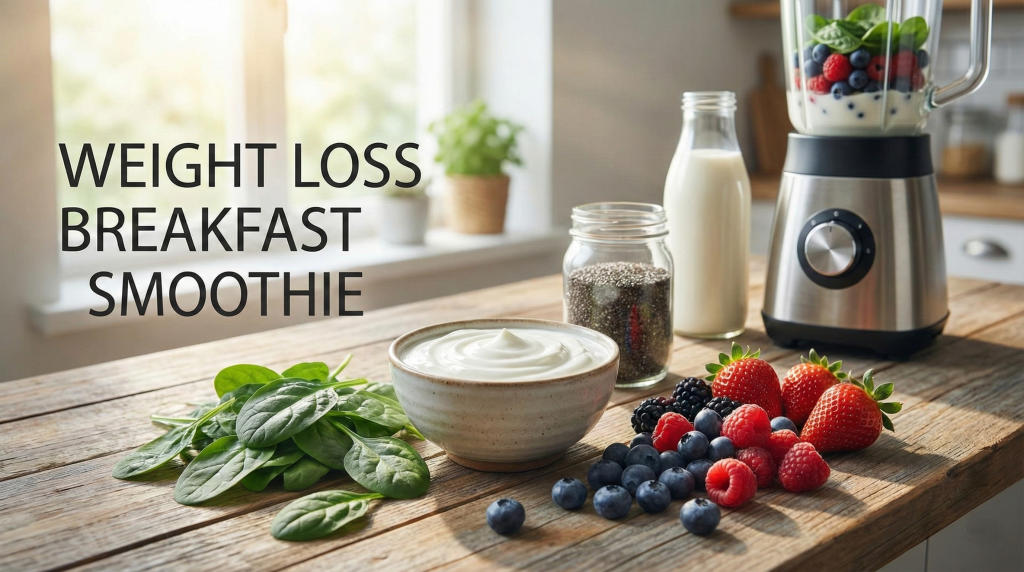
Protein content determines how long you stay full. Aim for at least 10-15 grams per serving. Greek yogurt, protein powder, silken tofu, and nut butters deliver this without excessive calories. According to research from the National Institutes of Health, adequate protein intake supports satiety and helps preserve lean muscle during weight loss.
Fiber slows digestion and prevents blood sugar spikes. Leafy greens, chia seeds, flaxseed, and whole fruits (not juice) contribute fiber without compromising taste. The USDA recommends 25-30 grams of fiber daily for adults, and breakfast smoothies can deliver 4-12 grams per serving.
Calorie balance matters more than calorie restriction. A 150-calorie smoothie that leaves you starving isn’t helpful. A 300-calorie smoothie that eliminates mid-morning snacking is. Context drives the decision.
Ingredient synergy creates satiety. Combining healthy fats (avocado, nut butter), complex carbs (oats, banana), and protein prevents the hunger rebound that happens when you drink pure fruit.
Quick Summary
- Protein (10-15g minimum) controls hunger until lunch
- Fiber (4-12g per serving) stabilizes blood sugar
- 250-350 calories typically works for breakfast replacement
- Fat + protein + complex carbs = sustained satiety
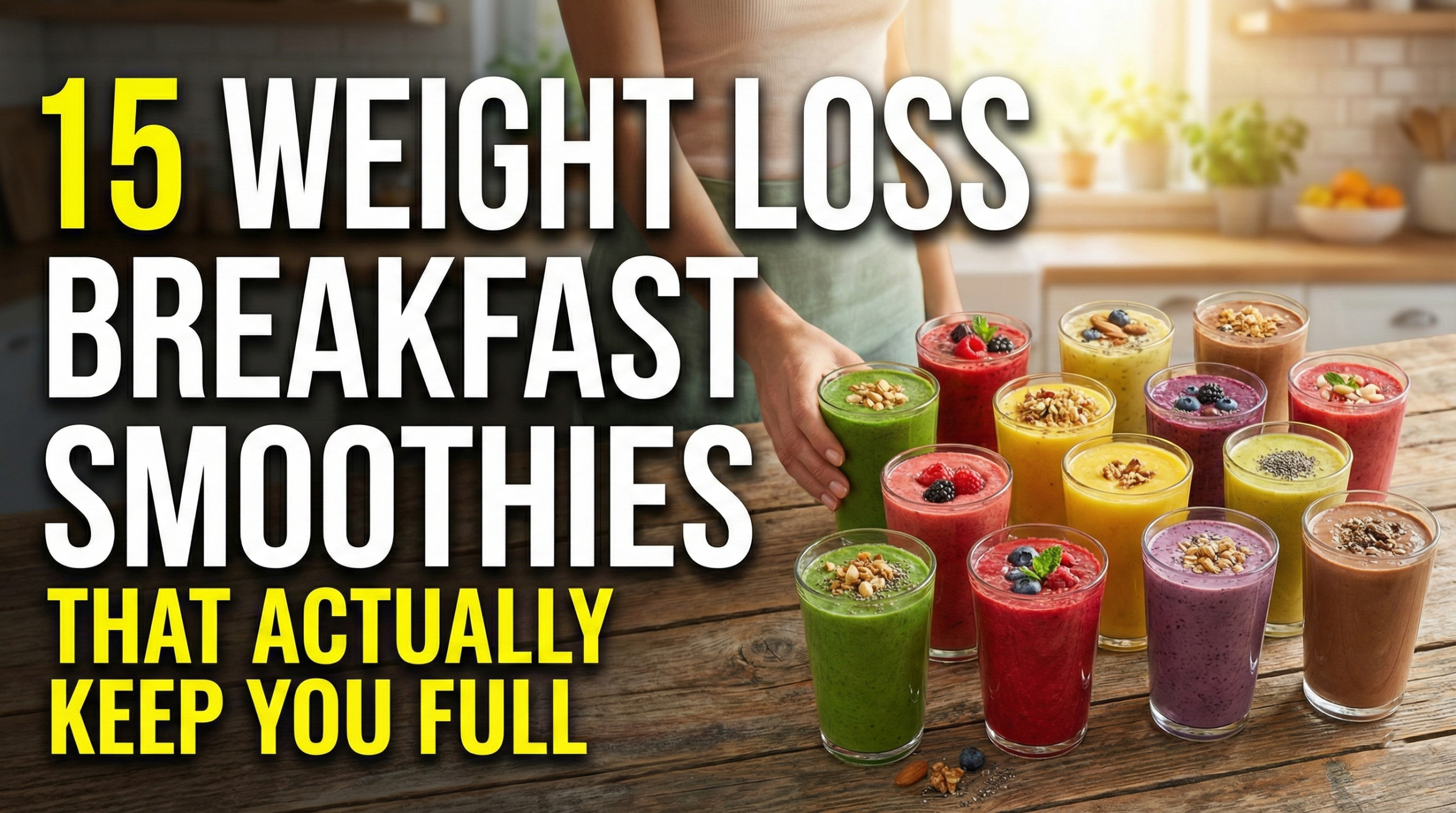
15 Breakfast Smoothies That Support Weight Loss
Green Base Smoothies
1. Avocado-Spinach Green Smoothie 259 calories | 18g protein | 6g fiber
The avocado creates actual creaminess without dairy, while spinach adds volume and nutrients without bitterness. Greek yogurt delivers protein, and the natural sweetness comes from fruit rather than added sugars. This works particularly well if you’re skeptical about green smoothies but want the nutritional benefits.
2. Tropical Green Smoothie 271 calories | 6g protein | 8g fiber
Mango and banana mask the taste of leafy greens completely. The coconut milk adds healthy fats that improve nutrient absorption and extend satiety. Lower in protein than some options, so consider adding a scoop of unflavored protein powder if you need it to last until lunch.
3. 5-Ingredient Go-To Green Smoothie 215 calories | 13g protein | 7g fiber
Ice, banana, spinach, avocado, milk, and protein powder. That’s it. The minimal ingredient list makes this realistic for actual daily use instead of a special-occasion recipe. The protein powder is non-negotiable here—without it, you’re basically drinking expensive salad water.
4. Coconut Kale Smoothie 289 calories | 11g protein | 4g fiber
Kale has a stronger flavor than spinach, and this recipe accounts for that with coconut and fruit balance. The texture stays smooth rather than grainy, which matters when you’re trying to establish a breakfast routine. Kale delivers more vitamin K and antioxidants than spinach, though both work.
5. Paleo Green Smoothie with Protein 129 calories | 4g protein | 3g fiber
This is the lowest-calorie option on the list, sweetened entirely with fruit and using vegetables for bulk. Good for mid-weight-loss plateaus when you need to reduce calories slightly without increasing hunger. The lower protein means this works better paired with eggs or another protein source.
Fruit-Forward Smoothies
6. Strawberry Banana Smoothie 185 calories | 8g protein | 5g fiber
The classic combination exists for a reason—it tastes exactly like what non-smoothie people expect smoothies to taste like. Greek yogurt adds protein and thickness without requiring protein powder. This works well for smoothie skeptics or kids who need nutrition without negotiation.
7. Banana Berry Smoothie 380 calories | 19g protein | 12g fiber
The highest calorie count on this list, but also the highest protein and fiber content. Nut butter and Greek yogurt create serious staying power. This functions more as a full meal replacement than a light breakfast starter. Skip this if you prefer lighter morning eating.
8. Pineapple Orange Banana Smoothie 236 calories | 9g protein | 4g fiber
Citrus adds brightness that cuts through morning grogginess. The vitamin C content is legitimately high. Lower fiber than some options, so add a tablespoon of chia or flax if you need more satiety. The tropical flavor profile works year-round but especially during winter when citrus is peak season.
Protein-Focused Smoothies
9. Peanut Butter and Jelly Protein Smoothie 350 calories | 14g protein | 14g fiber
This tastes like childhood in a glass, but the peanut butter powder keeps calories reasonable while maintaining protein content. The 14 grams of fiber is exceptional for a smoothie. Best for people who struggle with savory breakfast foods and need something that feels like a treat.
10. Vanilla Protein Frosty 84 calories | 8g protein | 0.1g fiber
The lowest calorie option that still delivers adequate protein, thanks to silken tofu. The tofu creates creaminess without dairy, and the vanilla extract makes it taste like dessert. Extremely low fiber though, so pair this with a high-fiber snack mid-morning if needed.
11. Piña Colada Protein Smoothie Calories vary by protein powder | High protein | Moderate fiber
Feels like vacation, functions like fuel. Coconut milk adds healthy fats, pineapple provides natural sweetness, and protein powder makes it breakfast-appropriate. The exact macros depend on your protein powder choice, so read labels.
12. Vanilla Cheesecake Paleo Smoothie 282 calories | 5g protein | 2g fiber
Lower protein and fiber than most options here, which means this works better as a weekend treat than a daily driver. The vanilla wafer topping adds texture and makes it feel more like eating than drinking. Consider adding collagen powder to boost protein without affecting taste.
Specialized Flavors
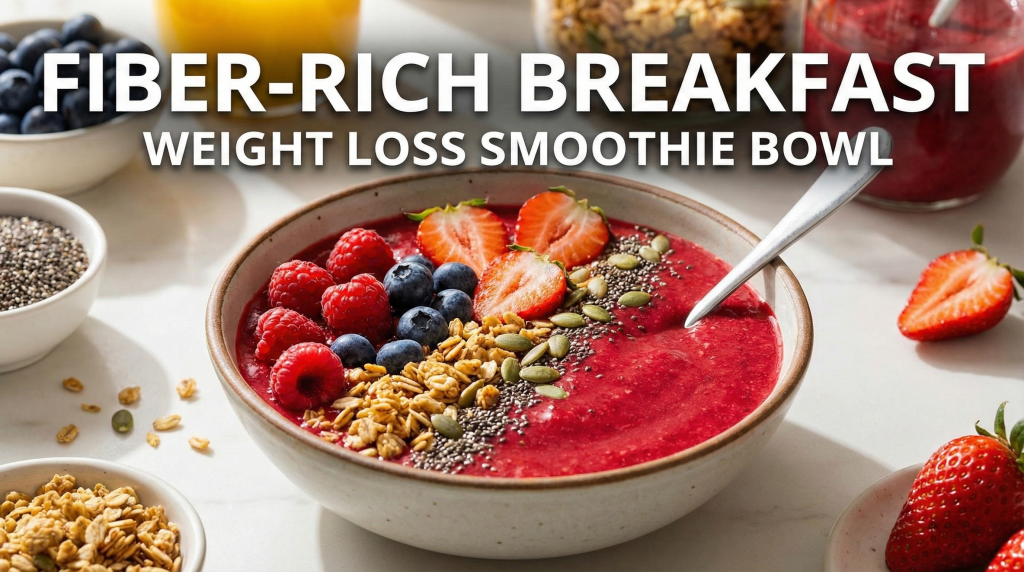
13. Spiced Blueberry Smoothie Bowl 325 calories | 22g protein | 10g fiber
The frozen cauliflower adds bulk and creaminess without flavor interference. Cinnamon and ginger provide warmth and may help with blood sugar regulation, though claims about “metabolism-boosting” spices are overblown. This is thick enough to eat with a spoon, which can increase satiety compared to drinkable smoothies.
14. Orange Creamsicle Smoothie 334 calories | 5g protein | 7g fiber
High calorie, low protein. This works if you’re pairing it with eggs or another protein source, but it won’t sustain you alone. The orange zest makes a real difference in flavor complexity. Best for people who find protein powder textures unpalatable.
15. Mocha Frappe 225 calories | 4g protein | 1g fiber
Coffee plus chocolate plus coconut milk equals a drinkable breakfast that feels like a cafe order. The caffeine provides energy, but the low protein and fiber mean this needs to be part of a larger breakfast rather than the entire meal. Good for easing into smoothie habits if you’re currently a coffee-only breakfast person.
Key Takeaways
- Green smoothies deliver the most nutrients per calorie
- Protein content varies dramatically (4-22g range)
- Fiber content separates all-morning satiety from mid-morning hunger
- Fruit-forward options taste better but may need protein powder additions
Who These Weight Loss Breakfast Smoothies Work Best For
These smoothies fit specific morning routines and preferences.
People who skip breakfast because they’re not hungry yet benefit from drinkable nutrition that doesn’t require chewing. The liquid form feels less overwhelming than solid food first thing.
Morning exercisers need something light that won’t cause cramping but provides enough fuel for a workout. The 150-250 calorie smoothies work well pre-exercise, with protein-heavier versions working post-workout.
People with limited morning time can blend these the night before and refrigerate. The texture changes slightly, but the nutrition stays intact. Smoothie bowls don’t travel well, but drinkable versions fit car commutes.
Anyone managing calorie intake without wanting to track obsessively benefits from recipes with clear macronutrient breakdowns. You know exactly what you’re consuming.
People who dislike traditional breakfast foods find smoothies more palatable than eggs or oatmeal. Texture aversions to solid breakfast foods don’t apply to blended drinks.
What These Smoothies Won’t Do
These recipes support weight loss within a reasonable caloric framework. They don’t compensate for excessive evening eating, replace vegetables in other meals, or eliminate the need for overall dietary awareness.
A 350-calorie breakfast smoothie that you follow with a 1,200-calorie lunch defeats the purpose. The smoothie itself isn’t the weight loss mechanism—it’s a tool for managing morning hunger and calorie distribution.
Smoothies also don’t teach chewing satiety signals. Some research suggests that liquid calories register differently in the brain than solid food calories. If you find yourself still hungry after smoothies that should theoretically keep you full, the liquid format might not work for your satiety signals.
The fiber in these smoothies, while beneficial, is blended fiber rather than whole fiber. Your digestive system processes it differently than eating an actual apple or a bowl of spinach. Smoothies complement whole food intake but shouldn’t replace it entirely.
Finally, these recipes assume you’re making them as written. Adding extra banana, doubling the nut butter, or throwing in handfuls of dates changes the calorie and sugar content dramatically. Precision matters when weight loss is the goal.
In Short
- Smoothies work within caloric context, not in isolation
- Liquid calories may not trigger satiety as effectively as solid food
- Blended fiber differs from whole food fiber
- Recipe accuracy determines actual calorie content
How to Choose Your Starting Recipe
Start with the ingredient list you already recognize. If you’ve never bought silken tofu or pea protein powder, don’t make those recipes your first attempt. Choose something with five ingredients or fewer that you currently have in your kitchen.
Next, consider your protein tolerance. If protein powder makes you gag, focus on Greek yogurt-based smoothies. If you’re vegan or dairy-free, the tofu and plant-based options give you protein without animal products.
Match the calorie count to your morning hunger level. If you wake up ravenous, the 300-380 calorie smoothies with high protein make sense. If breakfast is typically light for you, the 150-250 calorie options prevent over-consumption.
Finally, pick based on flavor preference, not what you think you “should” like. If green smoothies make you miserable, the fruit-forward options work just as well for weight loss. Sustainability matters more than perceived nutritional superiority.
Make the same recipe three mornings in a row before judging it. Day one is novelty, day two is assessment, day three tells you if it actually works for your routine.
Finding a weight loss breakfast smoothie that works long-term is about matching the recipe to your actual life, not an idealized version of your morning routine. Start simple, pay attention to hunger signals, and adjust ingredients based on what keeps you satisfied until lunch. The best smoothie for weight loss is the one you’ll actually make consistently.